
Debunking the Biggest Retirement Planning Myths: The Fairy Tales We Tell Ourselves About Growing Old and Getting Rich
Retirement planning is one of the great modern acts of magical thinking.
 By Daniel Buck
Financial Retirement Researcher
Published May 2026 · Updated regularly with SSA, CMS & BLS data

People will spend six weeks comparing boutique hotels in Lisbon, reading 143 reviews about whether the shower pressure is acceptable.
Then they casually improvise the financial architecture of the last thirty years of their lives like it’s a side quest. It’s astonishing.
We plan vacations with military precision and old age with vibes. Somewhere along the way, retirement became less a financial strategy and more a mythology industry.
Everyone has inherited a phrase, a slogan, a little proverb passed down like family silver.
You need a million dollars. Pay off the house first. Social Security will take care of it.
Just work a little longer. These ideas circulate with the confidence of revealed truth and roughly the same evidentiary standards as medieval medicine.
The trouble is that retirement planning myths are rarely harmless. They are expensive stories, stories with invoices attached. A bad assumption at thirty compounds into a crisis at sixty-five. That’s the perversity of it.
Finance is one of the few arenas where being slightly wrong for a very long time can be catastrophic. This is not merely about numbers.
It is about psychology, about the stories people tell themselves to avoid confronting time, fragility, and the deeply uncomfortable fact that someday the body will no longer cooperate with ambition.
Retirement planning, stripped of its euphemisms, is really a philosophical confrontation with mortality dressed up as spreadsheets.
And because that truth is unpleasant, retirement planning myths rush in to comfort us. Let’s ruin a few of them, using data from the , the Social Security Administration, the Boston College Center for Retirement Research, and the U.S. Government Accountability Office.

Key Takeaways
- Start early, but late starters still have powerful levers. Catch-up contributions and delayed Social Security change the math significantly.
- The 4% rule is a historical stress test, not a command. Flexible spending strategies hold up better under real conditions.
- One million dollars is an arbitrary symbol. Cash flow and fixed expenses matter more than any round number.
- A 401(k) alone is not a retirement plan. Diversify tax treatments across Roth, HSA, and taxable accounts.
- Paying off a low-rate mortgage early is often emotional, not optimal, though peace has genuine value.
- Social Security and Medicare are floors, not full solutions. Long-term care remains the largest uncovered risk most people ignore.
Myth #1: Is It Really Too Early to Think About Retirement?
Why does starting late sabotage long-term wealth more than almost any other decision?

This is the financial equivalent of saying you are too healthy to think about health. Youth has a strange relationship with time.
In your twenties, forty years feels less like a duration and more like science fiction. Retirement exists in the same mental drawer as Mars colonies and immortality startups.
The problem, of course, is that markets are indifferent to your sense of narrative timing.
Time is not merely helpful here. Time is the whole machine. According to the SEC’s compound interest calculator, delaying a decade cuts final wealth roughly in half, even with identical contributions.
Someone who starts saving early often contributes dramatically less money and still ends up wealthier than the person who starts later with far more discipline.
This is one of finance’s rudest truths.
The market rewards the person who arrives first, not the one who eventually shows up with good intentions and a higher salary.
People underestimate this because humans are built for linear intuitions: plant seed, water seed, get a tree. But money doesn’t grow like a tree. It grows like a rumor, quietly, exponentially, and faster the longer you leave it alone.
The real cost of waiting isn’t the missed contribution. It’s the lost decades in which money could have been multiplying in the dark.
Myth #2: Is It Really Too Late If You’re Over 50?

This myth is emotionally seductive because it offers something people secretly crave: permission to surrender.
There is a strange comfort in fatalism. If it is “too late,” then one no longer has to endure the moral irritation of responsibility.
But the arithmetic is less melodramatic than the feeling. Your fifties are often your peak earning years.
The children may be leaving. The house may be too large. The lifestyle inflation of middle age can often be cut with surprising speed once you stop pretending every expense is essential.
This is where retirement planning becomes less about elegance and more about aggression. Sell the oversized house no one actually enjoys maintaining.
Cut the car payment that exists mostly as an identity statement. Redirect the money with mechanical consistency.
Catch-up contributions are often discussed as though they were technical footnotes buried in the tax code. In reality, they are an institutional acknowledgment that many lives do not unfold according to the fantasy script.
Divorce happens, illness happens, bad decades happen. The system, in this small way, admits it. IRS guidance confirms catch-up limits and eligibility.
Myth #3: Do You Really Need 80% of Your Pre Retirement Income?
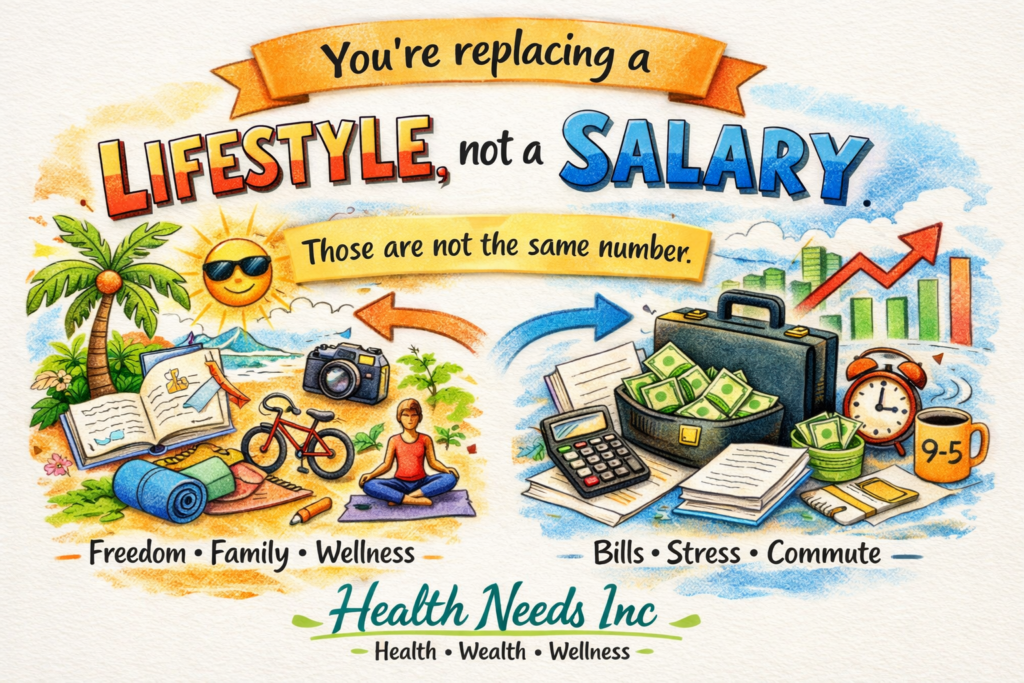
Few ideas in personal finance have enjoyed such unearned prestige: “You need 80 percent of your pre-retirement income.” Why 80? Because round numbers are emotionally soothing.
This is one of those rules that survives because it sounds authoritative enough to discourage further thought.
But income is not the thing you are replacing. Lifestyle is.
A person earning $150,000 while saving aggressively, paying payroll taxes, and commuting five days a week may only be actually living on $90,000. Retire that person, and the retirement target drops accordingly.
Another person earning the same salary and spending almost all of it requires something closer to 90%. Same income, entirely different retirement reality.
The broader problem with financial folklore is that it confuses averages with truth. Retirement planning is less about universal percentages and more about the unglamorous anthropology of your own habits. How much do you actually spend?
Not aspirationally. The bank statement knows the truth better than your self-image does. GAO research confirms that actual spending drops significantly in retirement.
↪ Deep dive: Why the 80% rule is financial folkloreMyth #4: Is Your 401(k) Really Your Retirement Plan?

No. It’s a box. Saying the 401(k) is your retirement plan is like saying the medicine cabinet is your healthcare strategy. A 401(k) is a container, a tax wrapper, a vessel.
What matters is what sits inside it, what it costs, and whether anyone has actually looked at it in the last five years.
Many people treat workplace retirement accounts with a kind of ceremonial neglect. Money goes in automatically. They never check the fees, they never rebalance, and they couldn’t name the funds they own.
This is treated as responsible behavior because contributions happen, when in fact contributions are the beginning of the job, not the end of it.
The quiet villain is fees. A one-percent expense drag sounds trivial. Over thirty years it behaves like a slow leak in a life raft: nothing dramatic, just enough to drown you later.
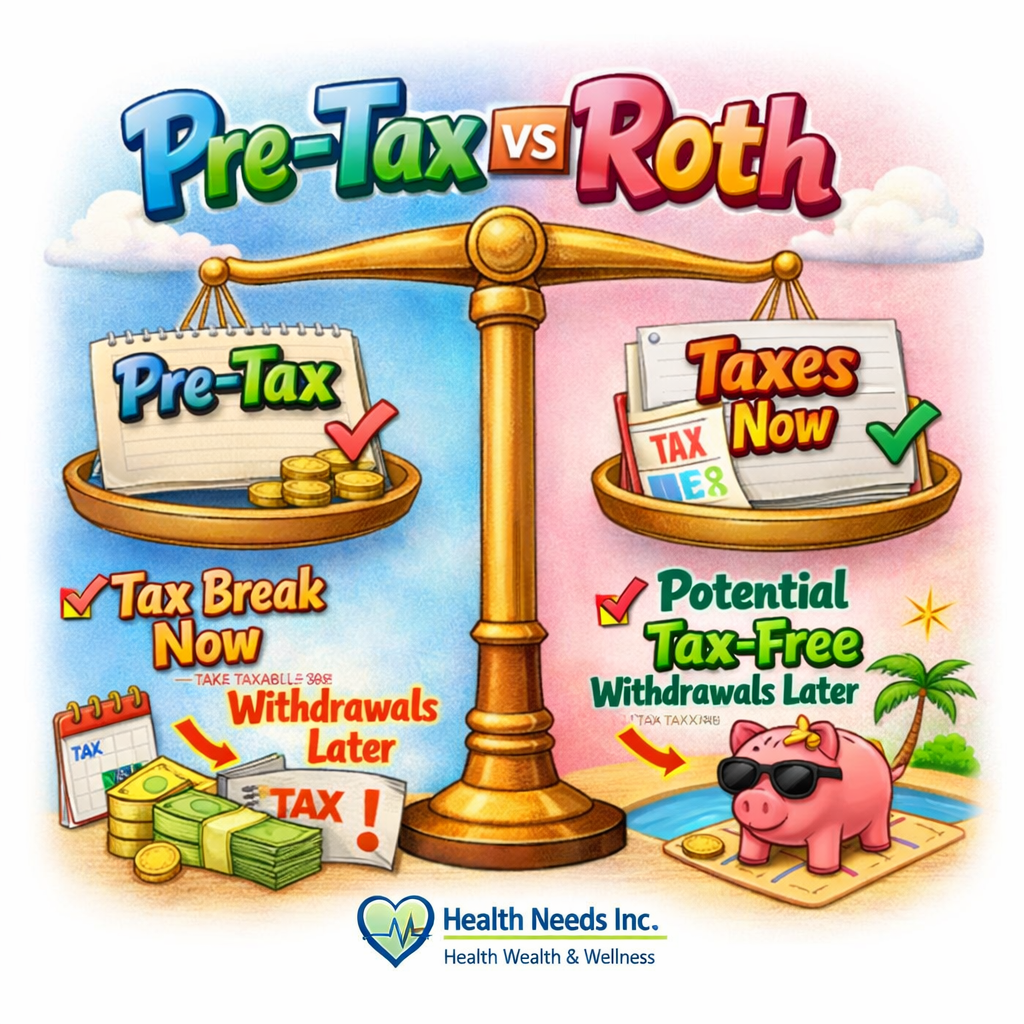
And the pre-tax concentration risk is a separate problem: a 401(k) heavy retirement portfolio creates a tax timebomb.
Required minimum distributions force withdrawals at ordinary income rates starting at 73, often pushing retirees into higher brackets than they expected. Brookings Institution research underscores the value of tax diversification beyond a single account type.
↪ Deep dive: Building a tax-diversified retirement planMyth #5: Can You Really Just Work Longer?
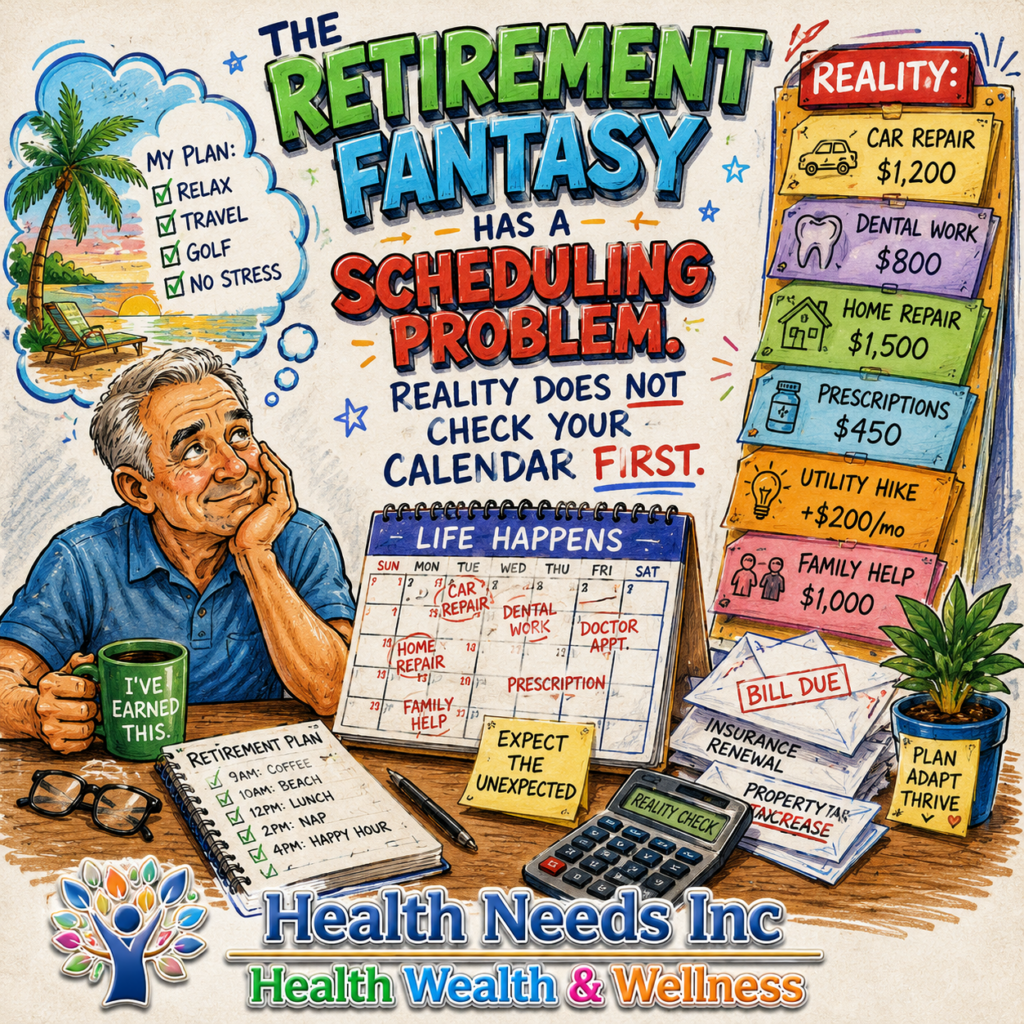
This may be the saddest myth on the list, because it rests on an assumption of bodily loyalty. As though the body has signed some invisible agreement promising to remain useful until the balance sheet improves. It hasn’t.
People imagine retirement as a choice. Often it is an event imposed from outside: a diagnosis, a layoff, a spouse who suddenly needs care, an employer who quietly decides that decades of experience have become too expensive.
The modern labor market is not sentimental about aging, and the severance package rarely covers the gap between forced early retirement and Social Security eligibility.
The fantasy of “just one more year” has ruined more retirement plans than market volatility ever did. Hope is not a strategy. It is, at best, a temporary anesthetic. EBRI’s 2026 survey reports that nearly half of retirees retired earlier than planned.
↪ Deep dive: The risk of counting on working longerMyth #6: Do You Really Need a Million Dollars?

Mini Case Study: Same Goal, Different Realities
Person A: $1,000,000 portfolio, renting in a high cost-of-living city. 4% withdrawal = $40,000/year. Rent at $2,500/month = $30,000/year. After rent: $10,000 remains for everything else.
Person B: $600,000 portfolio, owns home outright. 4% withdrawal = $24,000/year, with zero housing payment. Higher discretionary income on $400,000 less saved.
The conclusion: Cash flow and fixed expenses matter far more than a round number. Urban Institute research on the million-dollar retirement myth.
The million-dollar figure became culturally totemic because it sits at a peculiar boundary, large enough to feel like wealth and specific enough to function as a target. It serves less as a planning tool and more as a status symbol masquerading as a threshold.
The actual question is simpler and more personal: what do you spend? Multiply that number by 25 (using a 4% withdrawal rate) and subtract your guaranteed income from Social Security, pensions, or annuities. The result is your actual target. It may be more than a million; it may be substantially less. The round number tells you nothing useful by itself.
↪ Deep dive: How much is enough, the cash flow perspectiveMyth #7: Is the 4% Rule Really a Safe Withdrawal Law?
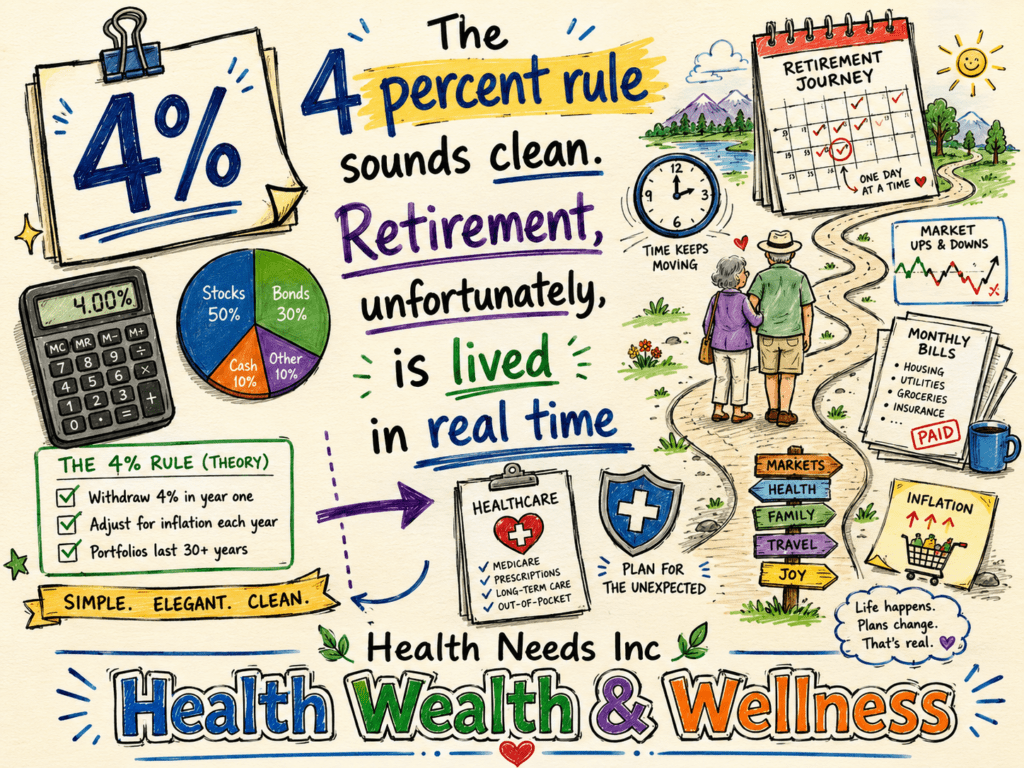
If personal finance has a catechism, this is line one: withdraw four percent per year and your money lasts. The problem is that what began as a cautious academic stress test has been converted by popular culture into a magic number, a law, a religion.
The rule was never meant to be universal. It emerged from research analyzing the worst 30-year market sequences in U.S. history and asking what withdrawal rate would have survived all of them. It passed. That is not the same as saying it will pass every possible future scenario, especially with recent valuations and yield environments.
The cruel elegance of sequence risk is this: retire into a bull market and a 4% withdrawal barely dents your portfolio. Retire into a crash and the same percentage withdrawal can permanently impair your capital before the recovery arrives. Same savings, same rate, entirely different futures. Vanguard research supports flexible, dynamic withdrawal strategies as more durable alternatives.
↪ Deep dive: The 4% rule, history, limits, and modern updatesMyth #8: Should You Always Pay Off the Mortgage Before Retiring?

Few financial beliefs carry more emotional force than the paid-off mortgage. People want to die owning the house. And yet emotional satisfaction and mathematical efficiency diverge here in ways worth understanding.
A low-rate fixed mortgage is, in a certain light, a peculiar kind of asset: cheap, long-duration leverage against an appreciating asset, while your freed-up capital compounds in the market. The math often favors investing the extra cash over prepaying. But the math doesn’t account for the value of sleeping through the night without imagining catastrophe.
Peace of mind is not irrational. The person who eliminates a mortgage payment and immediately becomes a calmer, more consistent investor may outperform the person who optimizes mathematically but makes worse decisions under stress. Know which person you are. Federal Reserve analysis explores the mortgage-versus-investment tradeoff in detail.
↪ Deep dive: Should you pay off your mortgage before retiring?Myth #9: Will Social Security Really Be Enough?

Social Security occupies a strange place in the American imagination. It is simultaneously overestimated as a lifestyle provider and underestimated as a strategic tool. The average monthly benefit will not fund the Mediterranean cruise retirement; it will prevent genuine poverty, which is exactly what it was designed to do.
The strategic opportunity most people miss is timing. Every year you delay claiming beyond 62 increases your benefit. Waiting until 70 instead of 62 can increase your monthly check by up to 77% for the rest of your life. For someone with reasonable health and longevity in their family history, that is one of the highest-return, zero-risk decisions available in all of personal finance. SSA’s official benefit calculation examples.
↪ Deep dive: Maximizing Social Security and understanding the trust fundMyth #10: Does Medicare Really Cover Everything?
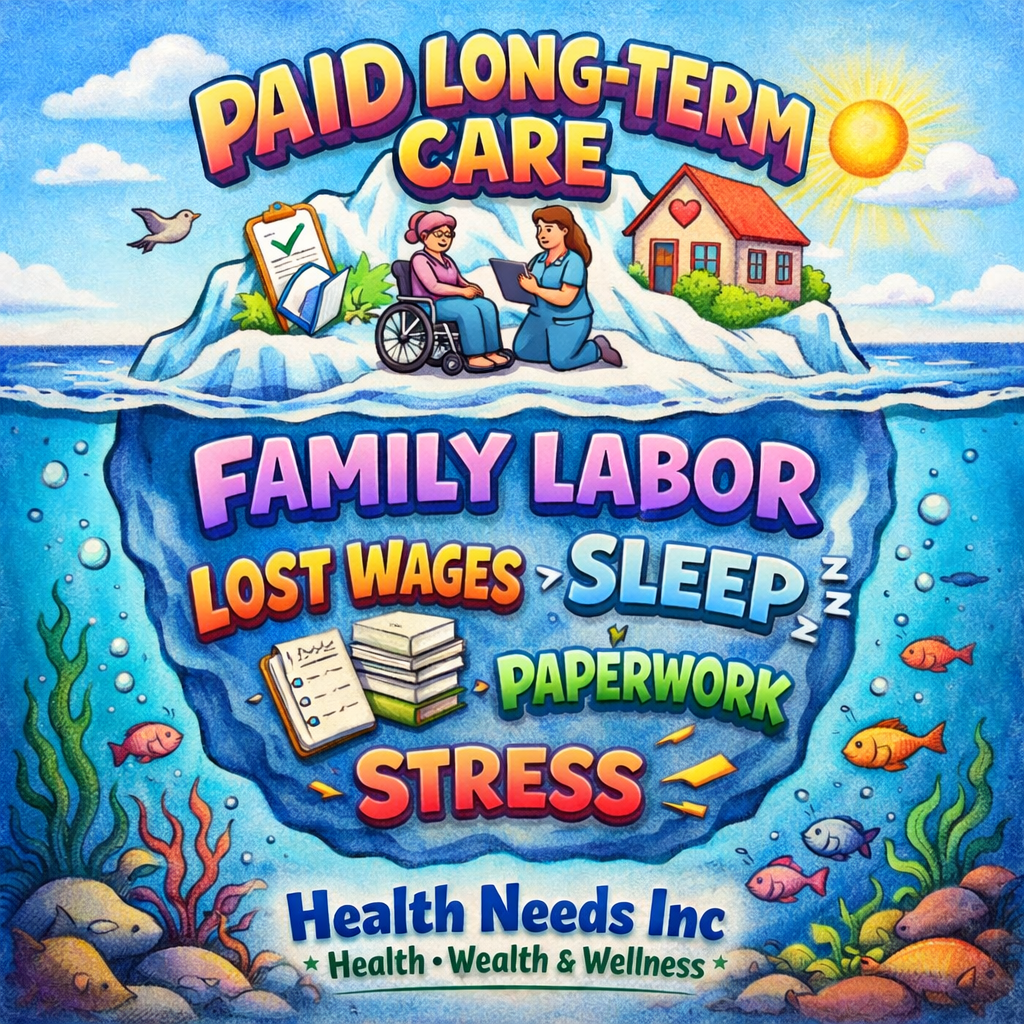
This myth deserves special contempt because it is not just expensive; it is catastrophically expensive precisely when people are least able to recover from the financial damage. Medicare covers the emergency. It does not cover the aftermath. And the aftermath is where the money lives.
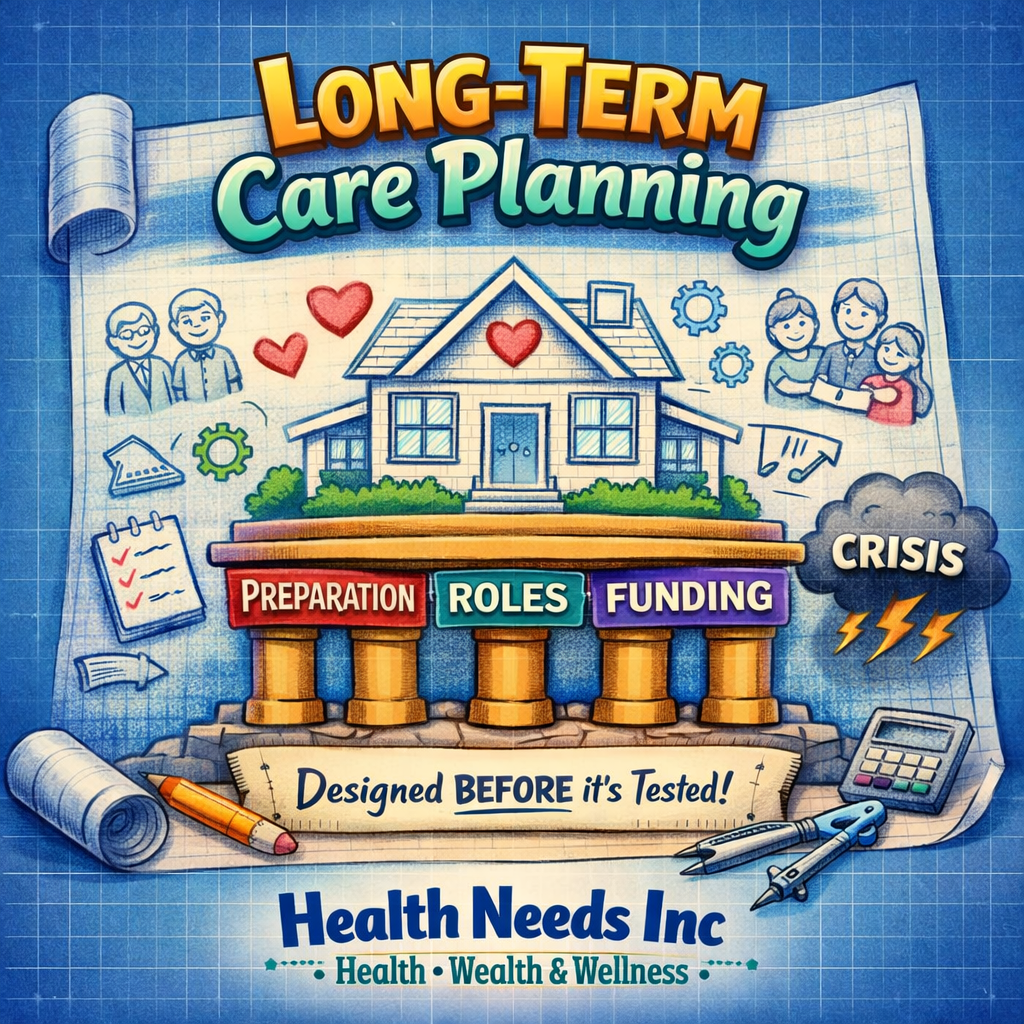
The important distinction is between eligible short-term skilled care and ongoing custodial care. Medicare generally does not cover long-term assistance with everyday personal tasks when that is the care needed. Funding may involve personal resources, private insurance, or Medicaid for people who meet their state’s eligibility rules; NIA outlines the main payment options.
↪ Deep dive: Long-term care costs and how to plan for themMyth #11: Should You Really Get More Conservative as You Age?

This advice made sense when retirement lasted eight years. It was designed for a different era with different lifespans, lower inflation, and pension income doing most of the heavy lifting. Today, a 65-year-old couple has a meaningful probability that one of them will live past 90. That is a 25-year retirement.
Money sitting in bonds and cash doesn’t just stagnate; it loses purchasing power year by year at a rate that compounds into genuine impoverishment over that kind of timeline. The portfolio that never loses money in a crash but slowly loses to inflation is not actually safe. It has simply swapped one form of risk for another, quieter one. The investor who panics and over-corrects into bonds at 65 may feel secure while watching their real spending power erode at 2 to 3% annually for three decades. T. Rowe Price research on maintaining equity exposure in retirement.
↪ Deep dive: How much equity do retirees actually need?Myth #12: Will Moving to a Cheaper Country Really Solve It?

The fantasy is compelling: Costa Rica, Portugal, Thailand, Mexico. The numbers look extraordinary on paper: rent for $800 a month, fresh produce for pennies, healthcare for a fraction of U.S. costs. For a certain kind of person with the right preparation, it genuinely works. But the people for whom it doesn’t work rarely end up in the testimonials.
Healthcare is the first complication. For routine care, a cheap country is fine. For a serious diagnosis (cancer, cardiac events, the complicated surgeries that arrive without invitation in your seventies) the calculus changes fast. Medical evacuation, specialist access, and the decision about whether to stay or return home are decisions you make under duress with serious money attached.
Visa stability is the second. Countries change the rules: Panama adjusted its pensionado requirements, Portugal restructured its tax incentives. The country that welcomed retirees last decade is under no obligation to remain welcoming.
Currency is the third. If your savings are in dollars and your expenses are in euros or bahts, you have added exchange rate volatility to the list of things that can shorten your retirement. A 15% dollar decline is not hypothetical; it has happened multiple times in recent decades.
And then there is the loneliness, which tends to be the most honestly reported reason people return. Isolation is not free. The people who make international retirement genuinely work have typically spent years building local networks before they officially stopped working. It’s not a plan; it’s a project. Boston College Center for Retirement Research on retirement location decisions.
↪ Deep dive: The real costs of retiring abroadMyth #13: Does Spending Really Decline Automatically as You Age?

The intuitive model of retirement spending goes like this: you stop working, your income drops, therefore you spend less and it keeps declining until you don’t. This is clean, simple, and wrong.
What actually happens has a name: the retirement spending smile. The first phase, the go-go years, is expensive. You have the health to travel, the freedom from a schedule, the accumulated bucket list that waited two decades for clearance. Research from the Employee Benefit Research Institute found that discretionary spending in the first five years of retirement often rises rather than falls.
The middle phase is the lull. Activity slows, the big trips have been taken, lifestyle equilibrates. This is the period most retirement projections describe accurately. Then comes the final phase: the no-go years. Health costs that Medicare doesn’t cover, long-term care expenses, home modifications, prescription drugs, specialist visits, and the personal care that becomes necessary when the body can no longer cooperate with independence.
This phase is routinely underestimated in retirement models because it’s uncomfortable to plan for. Many people assume they won’t live that long or won’t need that level of care. The data disagrees with both assumptions. A fixed spending retirement model will leave you unnecessarily deprived in the early years and dangerously short in the late ones. Budget for the shape of reality, not the tidiness of a straight line.
↪ Deep dive: The retirement spending smile, planning for three phasesMyth #14: Are Annuities Really Always a Scam?

The bad reputation is earned. Variable and indexed annuities sold through commission-based advisors can carry expense ratios that would embarrass an actively managed mutual fund, surrender charges that lock up capital for a decade, and rider combinations so complex that the product brochure requires a law degree to parse. The contempt these products receive is appropriate.
But a single-premium immediate annuity, SPIA, is something else. You hand over a lump sum to an insurer. In return, you receive a guaranteed monthly payment for the rest of your life, regardless of how long that turns out to be. It does not fluctuate with markets; it does not run out. It is, in essence, buying yourself a pension using your own savings.
For someone without an employer pension and with genuine longevity in their family history, a SPIA covering essential expenses is not a scam. It is insurance against the one problem most financial plans quietly fail to solve: the risk of outliving your assets by a decade or more. The objection that you might die early and “lose” the premium confuses insurance with investment. You don’t resent your car insurance when you don’t crash. The annuity is not a bet on your longevity; it is a hedge against it.
The question is not whether annuities are scams. It is whether a particular instrument, at a particular cost, addresses a real risk in your specific situation. That requires reading the fine print rather than inheriting the reputation.
↪ Deep dive: When (and when not) to consider an annuityMyth #15: Will Your Children Really Take Care of You?

This one doesn’t arrive with numbers attached. It arrives with a feeling, a vague comfortable understanding that the family will figure it out. It feels like love, and it functions like a plan until it doesn’t.
The problem is that the children who are expected to provide that care are simultaneously trying to pay off student loans, save for their own retirement, fund their children’s education, and manage careers that increasingly demand more rather than less. AARP research estimates that nearly 40 million Americans already provide unpaid care to an adult family member. The burden of informal caregiving is not a future problem; it is a present one, and it is already substantial.
Expecting adult children to serve as both emotional caregiver and financial guarantor is asking for two full-time jobs from someone who already has one. It tends to produce resentment on both sides: the parent who receives inadequate support and the child who feels permanently indebted to a need they cannot fully meet.
Long-term care insurance, a dedicated savings bucket, or a hybrid life/LTC policy is not about distrust. It is about protecting the relationship from the specific strain that money plus obligation plus unspoken expectation reliably produces. The most loving thing you can do for your children’s relationship with you in old age is to not require them to become your financial safety net. AARP caregiving statistics and research.
↪ Deep dive: The family-based retirement plan fallacyDownload the Retirement Survival Kit
Four tools for people who want numbers, not slogans.

- 4% Rule Calculator (Excel & Google Sheets)
- 12-month spending audit worksheet
- Social Security timing decision guide
- Long-term care cost planning checklist
Unsubscribe at any time.
Final Thought: Retirement Is Really About Time, Not Money
Money is only an instrument. Time is the subject. Retirement planning is a disguised conversation about how one wishes to inhabit the final third of life, and what needs to be built now to make that possible.
Every myth on this list ultimately serves the same psychological purpose: to soften the terror of uncertainty. People cling to formulas because formulas offer the illusion that the future can be domesticated. It cannot. But it can be made more survivable.
What planning buys is not certainty. It buys resilience: enough margin to absorb reality when reality inevitably refuses to follow the brochure. Perhaps that is the most honest definition of financial security. Not abundance, not status, not round numbers, but margin, the capacity to absorb life without being shattered by it.
Plan earlier than feels necessary. Save more than feels comfortable. Distrust slogans. Interrogate round numbers. And never confuse cultural clichés for strategy.
↪ Deep dive: Planning for uneven retirement spendingQuick Action Summary
- Run a 12-month spending audit. Your bank statement knows your actual lifestyle cost better than any estimate.
- Check catch-up contribution eligibility. If you’re over 50, add $7,500 extra to your 401(k) and $1,000 to your IRA this year.
- Investigate long-term care costs in your area. Even a modest dedicated fund prevents catastrophic asset depletion.
- Run the Retirement Readiness Simulator below to see your projected trajectory and identify any shortfall early.
Simple Cash Flow Calculator
Retirement Readiness Simulator
Enter your numbers to see a projected portfolio trajectory, and whether it holds through your expected retirement.

Frequently Asked Questions
Medicare pays for short-term skilled nursing or rehabilitation following a qualifying hospital stay. The moment care transitions to ongoing help with daily activities (bathing, dressing, eating, mobility) Medicare stops.
That custodial care can cost $100,000 or more per year, and it falls entirely on personal savings, long-term care insurance, or Medicaid after your assets are depleted. Planning around this gap should be one of the first items on any serious retirement checklist.
Dynamic withdrawal means taking less in down years and somewhat more in good ones, rather than mechanically withdrawing the same percentage regardless of conditions.
This flexibility significantly improves the probability of not running out over a 30-plus year retirement. The 4% rule is still a useful planning anchor; treating it as a guarantee is the mistake.
A diversified equity portfolio has historically returned more than that over long periods. However, the mathematical answer ignores the psychological dimension: eliminating a monthly payment can meaningfully reduce financial anxiety and improve decision-making quality in retirement.
A hybrid approach, making modest extra principal payments while continuing to invest, often balances the two goals effectively. The worst outcome is spending years paralyzed trying to optimize between the two options rather than doing either consistently.
Subtract any guaranteed annual income you’ll receive in retirement: Social Security, pension payments, rental income. The remaining gap is what your portfolio needs to cover. Multiply that gap by 25 for a 4% withdrawal rate, or by 30 for a more conservative 3.3% rate.
That is your target portfolio. The calculation is only as good as your spending number, which is why an honest spending audit is the first step in any serious retirement plan.
You can also add $1,000 extra to a traditional or Roth IRA. These provisions were specifically designed to acknowledge that many people face genuine financial setbacks in their thirties and forties (divorce, illness, career disruption) and need a faster path to building savings in the final working years.
Even five or ten years of maximized catch-up contributions can add several hundred thousand dollars to a retirement portfolio.
Roth accounts use after-tax dollars now but withdrawals in retirement are completely tax-free, including growth. The most defensible strategy for most people is tax diversification, holding both types.
This gives you flexibility to manage your tax bracket in retirement, take from whichever account is most advantageous in any given year, and avoid being fully exposed to tax rate changes that are outside your control.
Treasury Inflation-Protected Securities (TIPS) provide direct inflation protection for the fixed-income portion of a portfolio. Social Security’s annual COLA adjustment is also a significant built-in inflation hedge that becomes more valuable the longer you live.
Finally, using a dynamic withdrawal strategy (adjusting spending modestly up or down based on portfolio performance and inflation) is more sustainable over long periods than a fixed withdrawal rate.
Neither Medicare nor standard health insurance covers this. Many people discover this only after a health event makes planning reactive rather than proactive.
Even a modest dedicated fund ($100,000–$200,000 earmarked specifically for care costs) or a hybrid life insurance/LTC policy can prevent what would otherwise be a catastrophic depletion of assets that took decades to accumulate.
The mechanism: if the market drops 30% in year two of your retirement and you’re withdrawing 4% annually, you’re selling shares at depressed prices to fund your living expenses.
Those shares never recover for you personally, even when the market does, because you no longer own them. The same average return earned in a different sequence (good years first, bad years later) produces a completely different outcome.
Managing sequence risk typically involves a cash buffer of one to two years of expenses, a dynamic withdrawal strategy, or a portion of income guaranteed by Social Security or an annuity.
ACA marketplace plans are the other main option and can be subsidized based on income (retirement income from investment withdrawals counts).
For some early retirees, carefully managing taxable income to stay within subsidy thresholds is a meaningful financial strategy. Budget conservatively: healthcare before Medicare is frequently a $12,000–$24,000 per year expense for a couple.
For someone who would otherwise leave money in a default money market fund or make no allocation decisions at all, it is a major improvement. It is not a complete solution for more complex situations: it doesn’t account for your other assets, your specific risk tolerance, tax diversification across account types, or whether the fund’s particular glide path matches your circumstances.
Check the expense ratio carefully: low-cost index-based target-date funds (under 0.15%) are substantively different from actively managed versions that charge ten times as much.
More Deep Dives
Glossary of Key Terms
- Sequence of Returns Risk
- The danger that poor market returns in the early years of retirement permanently impair a portfolio, even if long-run average returns are fine. Timing matters as much as magnitude.
- Required Minimum Distribution (RMD)
- Mandatory annual withdrawals from tax-deferred accounts (traditional 401(k), traditional IRA) starting at age 73. Failing to take them triggers a 25% excise tax.
- Safe Withdrawal Rate (SWR)
- The percentage of a portfolio you can withdraw annually with a low probability of running out over a given time horizon. The 4% rule is the most cited historical SWR.
- Roth IRA
- An individual retirement account funded with after-tax dollars. Qualified withdrawals in retirement are completely tax-free, including growth.
- HSA (Health Savings Account)
- A triple-tax-advantaged account: contributions reduce taxable income, growth is tax-free, and qualified withdrawals are tax-free. After age 65, can be used for any expense (with ordinary income tax, like a traditional IRA).
- Catch-Up Contribution
- Additional retirement account contributions allowed for people aged 50 and older. In 2025: $7,500 extra to a 401(k) or 403(b), $1,000 extra to an IRA.
- Fiduciary
- A financial advisor legally required to act in your best interest. Not all advisors are fiduciaries. Ask explicitly before engaging one.
- Single-Premium Immediate Annuity (SPIA)
- A contract with an insurance company that converts a lump sum into a guaranteed monthly income stream for life. The simplest, lowest-cost annuity structure.
- Longevity Risk
- The risk of outliving your savings. The core problem retirement planning exists to solve. A 65-year-old couple today has roughly a 50% chance one of them lives past 90.
- Tax Diversification
- Holding retirement assets across accounts with different tax treatments (Roth, tax-deferred, taxable) to manage future tax rates and RMD exposure.
- Inflation Risk
- The erosion of purchasing power over time. At 3% annual inflation, $100,000 in spending power today requires $180,000 in 20 years. A particular threat in long retirements.
- COLA (Cost-of-Living Adjustment)
- The annual increase in Social Security benefits tied to the Consumer Price Index. One of the most valuable features of Social Security and rarely modeled accurately in DIY projections.
- Medigap
- Supplemental insurance that covers costs original Medicare doesn’t, such as copayments, deductibles, and coinsurance. Sold by private insurers, regulated by federal standards.
- Long-Term Care Insurance
- Insurance that helps cover custodial care at home or in a facility, care Medicare doesn’t cover. Premiums rise significantly if purchased after 60, making earlier consideration worthwhile.
- Target-Date Fund
- A mutual fund that automatically adjusts asset allocation as you approach a designated retirement year. Useful starting point; verify the fees and glide path before relying on it exclusively.