
This article is for educational and informational purposes only and is not medical advice. Consult a healthcare professional for sleep concerns.
Sleep Hygiene Tips for People Who Are Tired All the Time
Science-backed sleep hygiene tips for better rest, natural energy restoration, and lasting wellness.

What Is Sleep Hygiene, and Why Does It Matter?
What are sleep hygiene tips for better sleep?
Sleep hygiene refers to the daily habits and environmental conditions, including consistent timing, morning light exposure, bedroom temperature, noise control, and a calming pre-bed routine, that allow the body to fall asleep reliably and restore fully overnight. According to the NIH and CDC, improving sleep hygiene is the recommended first-line approach before medication for most adults experiencing poor sleep.
Key Takeaways
Consistent wake times are the single most powerful sleep hygiene habit, outperforming any supplement or device.
Morning sunlight within 30 minutes of waking sets your circadian clock and triggers melatonin production 14 hours later.
A bedroom between 65 and 68 degrees Fahrenheit is the evidence-backed target for deep, restorative sleep.
Alcohol and late-night screens both fragment sleep architecture, reducing deep and REM sleep even when you feel like you slept.
Stress is the most overlooked sleep disruptor. A brief wind-down ritual signals safety to the nervous system and makes everything else work better.
Most people see measurable improvement within 4 to 7 days of consistent sleep hygiene practice.
Sleep Hygiene for Optimal Wellness: Science-Backed Habits for Better Rest
The wellness industry treats sleep the way medieval alchemists treated gold. Everyone wants it. Nobody fully understands it. Entire empires have been built around lavender sprays, magnesium moon dust, weighted blankets heavy enough to simulate emotional baggage, and mattresses engineered by what appears to be a coalition of orthopedic surgeons and Scandinavian monks.
Meanwhile, half the country is lying awake at 2:13 a.m. conducting hostage negotiations with their own nervous system.
Sleep has become both a biological necessity and a luxury product. Which is absurd when you think about it. Humans evolved sleeping on rocks while saber-toothed cats roamed nearby. Yet now Todd from marketing needs a temperature-controlled mattress synced to an app named something like “SlumberSphere” just to achieve unconsciousness.
But beneath the wellness circus tent, sleep science is brutally clear. Your body wants rhythm. Predictability. Darkness. Calm. Not perfection. Not optimization theater. Just conditions that stop your brain from behaving like a raccoon trapped in a vending machine.
And this matters because sleep is not passive. Sleep is maintenance. It is neurological housekeeping. The overnight repair crew. While you’re unconscious, your brain clears metabolic waste, consolidates memories, regulates hormones, repairs tissue, and recalibrates emotional processing. Skip enough sleep and your mind begins operating like an overheated laptop running forty browser tabs.
The consequences stack quickly.
Poor sleep is linked to increased inflammation, impaired immunity, higher risk of cardiovascular disease, insulin resistance, depression, anxiety, and cognitive decline. Which sounds dramatic until you realize how profoundly weird humans become after two nights of fragmented sleep. Civilization itself feels held together by melatonin and thin emotional restraint. (CDC Sleep Research)
So what actually works?
Not biohacking cosplay. Not “sleepmaxxing.” Just evidence-backed habits that consistently improve rest.
Your Brain Loves Repetition More Than Motivation
The body operates on circadian rhythms. Internal biological clocks tuned primarily by light exposure and routine. You cannot “catch up” on chaos with a Sunday sleep marathon any more than you can hydrate for the month in one afternoon. (NIH Sleep Deprivation)
Consistent sleep and wake times matter more than people want to hear because consistency is boring. It lacks branding potential. Nobody wants to buy a $79 supplement called “going to bed at the same time.”
But stable timing trains your nervous system. Your body begins anticipating sleep before you even reach the pillow. Hormones align. Core temperature shifts. Melatonin rises naturally. The machinery starts cooperating instead of filing internal complaints.
Most people treat sleep like an emergency shutdown after overstimulation. Bright lights. Streaming shows. Doomscrolling. Late meals. Emails. Existential panic. Then suddenly: “Okay body, power down gracefully.”
The nervous system stares back like a nightclub bouncer being asked to host a meditation retreat.
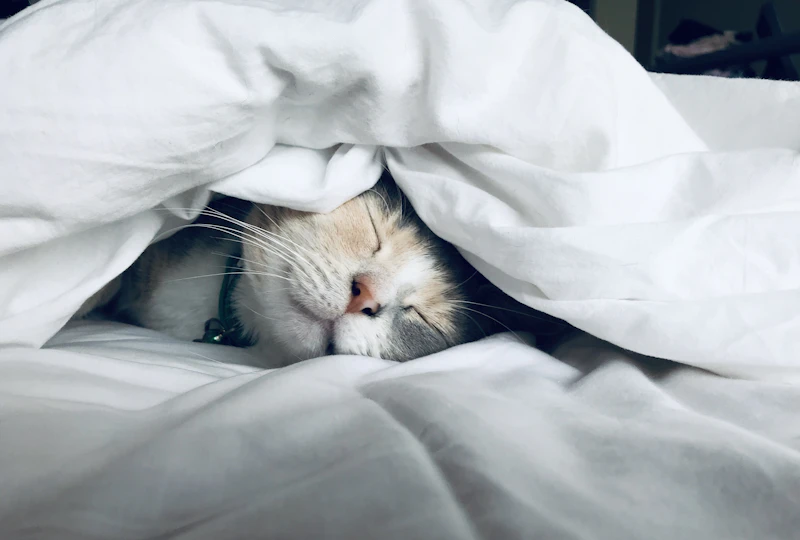
Light Is the Puppet Master
Morning sunlight is one of the strongest regulators of circadian rhythm. Ten to twenty minutes of outdoor light early in the day helps anchor your internal clock and improves nighttime melatonin production later. The timing matters. Morning light tells the brain: this is daytime. That signal echoes forward into the evening. (Stanford University Sleep Medicine)
Artificial light at night does the opposite.
Especially the tiny glowing rectangle people hold three inches from their face while whispering, “Why can’t I sleep?”
Phones are remarkable devices. They contain the world’s knowledge and somehow still convince people to read restaurant arguments on Reddit at midnight.
Dimmer lighting in the evening helps. Lower stimulation helps. Your brain interprets darkness as permission to transition states. Bright overhead LEDs at 11 p.m. feel biologically similar to interrogations.
You do not need candlelit monastery aesthetics. Just fewer artificial suns blasting into your retinas before bed.
The Bedroom Should Not Feel Like an Airport Terminal
Sleep environments matter more than people realize. (Sleep Foundation Bedroom Environment)
Cool temperatures improve sleep quality because the body naturally lowers core temperature before rest. Most research points toward a slightly cool room being ideal. Silence helps too, although modern life has transformed many bedrooms into acoustic experiments involving traffic, notifications, barking dogs, and one neighbor apparently training for competitive furniture dragging.
Then there’s the psychological layer.
If you spend hours in bed scrolling, working, eating, worrying, or watching television, your brain stops associating the bed exclusively with sleep. The space becomes neurologically crowded. Ideally, your bed should trigger one immediate association: unconsciousness.
Not spreadsheets.
Not online shopping.
Not researching whether medieval peasants slept in two separate shifts. Which, for the record, they sometimes did. Humanity has always been weird at night.

The Stimulant Problem Nobody Wants to Discuss Honestly
Modern productivity culture runs on artificial alertness and exhausted denial.
People chemically override fatigue all day then wonder why their nervous system refuses to downshift at night. Stimulants linger in the body longer than most realize. Even if you “fall asleep fine,” sleep quality can still suffer beneath the surface through lighter sleep and more nighttime awakenings.
And alcohol, despite its cozy bedtime reputation, behaves like a scam artist. It may sedate you initially, but it fragments sleep architecture later in the night. You lose restorative sleep while gaining dehydration and existential regret. The underlying mechanism involves cortisol and stress hormones surging as the alcohol metabolizes, which is the opposite of what recovery needs. (National Institute on Alcohol Abuse and Alcoholism)
The body keeps receipts.
Stress Is the Invisible Mattress
You can buy blackout curtains, white noise machines, cooling sheets, and a wearable device that grades your sleep like a disappointed teacher. None of it fully compensates for chronic stress.
An anxious brain does not sleep deeply because vigilance and restoration are biological enemies. (APA Sleep and Mental Health)
This is why a consistent wind-down ritual matters. Reading. Stretching. Breathing exercises. Journaling. Quiet music. Repetition signals safety. Safety allows the nervous system to unclench its jaw from reality.
And no, wellness culture does not get to monetize every calming activity into a subscription service.
Sometimes the best sleep intervention is simply reducing the amount of psychic static in your life.
Which is difficult. The modern world behaves like a casino with notifications.
Sleep Is Not Laziness. It Is Infrastructure.
Somewhere along the way, society began treating exhaustion as a personality trait. People brag about functioning on four hours of sleep like raccoons bragging about surviving highway traffic.
But deep rest is not indulgence. It is biological infrastructure. It supports memory, mood, immunity, metabolism, creativity, and emotional stability. Nearly every pillar of wellness collapses faster under sleep deprivation, and no overall wellness framework survives chronic exhaustion intact. (NINDS Understanding Sleep)
You cannot meditate your way out of chronic exhaustion. You cannot supplement your way around physiology. The body eventually collects its debt.
Sleep remains one of the few truly democratic forms of repair. No luxury membership required. No optimization guru necessary. Just darkness, rhythm, consistency, and enough humility to admit you are still an animal with a nervous system designed long before WiFi and streaming platforms.
Which, honestly, explains a lot.
What Is Sleep Hygiene?
Sleep hygiene is not about washing your sheets more often, although clean bedding certainly doesn’t hurt. The term comes from clinical sleep medicine, and it refers to the collection of behavioral and environmental adjustments that make good sleep possible. Think of it as the operating manual for your nervous system that nobody gave you at birth. (NIH Sleep Hygiene Guidelines)
When sleep doctors talk about sleep hygiene, they mean things like timing, light exposure, temperature, noise levels, and pre-bed routines. These are the knobs and dials that influence how easily you fall asleep, how deeply you stay asleep, and how restored you feel when you wake up. Ignore these factors and your brain will struggle to do its job. Respect them and sleep becomes something that happens reliably instead of something you chase desperately at 2 a.m.
The concept was formalized in the 1970s by sleep researchers who noticed that people with insomnia often had chaotic nightly habits. They were not broken. They were not weak. They were simply sending the wrong signals to a biological system that evolved to expect very specific conditions. Fix the signals, fix the sleep. That remains the core insight behind every effective sleep hygiene tip for better sleep.

Sleep Hygiene Tips for Better Sleep
Here is where the rubber meets the road. These are the practical interventions that actually move the needle for people who are tired all the time. You do not need to implement all of them at once. Pick one or two, master them, then add more. The goal is progress, not perfection.
1. Lock Your Wake-Up Time, Even on Weekends
The single most powerful sleep hygiene tip for better sleep is also the most boring. Wake up at the same time every day, regardless of when you fell asleep. This anchors your circadian rhythm more effectively than any supplement or gadget. Your brain learns to expect wakefulness at a specific hour, and that expectation ripples backward to influence when you feel sleepy. Yes, this means no sleeping in on Sunday. The trade-off is that you stop feeling like a zombie on Monday morning.
2. Get Morning Light Within 30 Minutes of Waking
Morning sunlight is the master clock-setter. Ten to fifteen minutes of outdoor light shortly after waking tells your brain that daytime has begun. That signal starts a timer that will trigger melatonin production about fourteen hours later. Skip the morning light and that timer never sets properly. This is one of the simplest healthy sleep habits for adults and also one of the most overlooked.
3. Stop Eating Two to Three Hours Before Bed
Digestion is activating. Your body cannot fully relax into deep sleep while processing a heavy meal. Late-night eating also increases the likelihood of acid reflux and blood sugar fluctuations that can pull you out of restorative sleep cycles. If you are hungry before bed, a small snack is fine. A full dinner is not doing you any favors.
4. Use Your Bed Only for Sleep
This one sounds simple but feels impossible for people who work from home or live in small apartments. Your brain forms strong associations between environments and behaviors. If you scroll, eat, work, worry, and sleep in the same spot, the “sleep” association gets diluted. Strengthen it by reserving the bed for two activities only: sleep and intimacy. Everything else happens somewhere else. And if you’re using sleep trackers to monitor your progress, check the data in the morning, not in bed.
How Sleep Hygiene Improves Sleep Quality Naturally
Quantity matters, but quality matters more. You can spend nine hours in bed and still wake up exhausted if your sleep architecture is fragmented. Learning how sleep hygiene improves sleep quality naturally means supporting the brain’s ability to cycle through all four stages of sleep, especially deep sleep and REM sleep. (Harvard Medical School Sleep Benefits)
Deep sleep is when your body repairs tissue and releases growth hormone. It is also when the brain clears metabolic waste through the glymphatic system. REM sleep handles emotional processing and memory consolidation. Both stages are vulnerable to disruption from noise, light, temperature fluctuations, alcohol, caffeine, and stress hormones.
The most effective way to protect sleep quality is to create an environment that minimizes interruptions. This means a cool bedroom (around 65 degrees Fahrenheit), complete darkness, and low noise levels. It also means avoiding alcohol, which fragments REM sleep, and caffeine, which reduces total deep sleep. These are not glamorous healthy sleep habits for adults, but they are the ones that actually work.
Another overlooked factor is temperature regulation. Your body must drop its core temperature by one to two degrees to initiate and maintain sleep. A room that is too warm prevents this drop, leading to restless, shallow sleep. If you wake up sweaty or kick off blankets in the middle of the night, your bedroom is almost certainly too hot.
Best Sleep Hygiene Habits for Deep Sleep
Deep sleep is the non-negotiable repair session that your brain and body require. Without enough deep sleep, your immune system weakens, your memory suffers, and your emotional regulation falls apart. The best sleep hygiene tips for better sleep prioritize protecting these precious hours of restoration.
Exercise daily, but not too late. Physical activity increases deep sleep significantly, but vigorous exercise within one to two hours of bedtime can raise core temperature and adrenaline levels. Morning or early afternoon exercise gives you the deep sleep benefits without the nighttime interference.
Keep the bedroom pitch black. Any light, even the tiny glow from a router or phone charger, can disrupt sleep cycles. The brain detects light through the eyelids. Blackout curtains, eye masks, and covering electronic lights make a measurable difference in deep sleep duration.
Manage stress before bed. This is the hardest one because stress is not something you can fix with a purchase. But deep sleep requires a nervous system that feels safe. Five minutes of slow breathing, journaling, or stretching before bed signals safety to a brain that has been in fight-or-flight mode all day. No app required.
Nighttime Habits That Sabotage Recovery
Sometimes the path to better sleep is not about adding new habits. It is about subtracting the ones that are actively working against you. Here are the most common nighttime habits that destroy healthy sleep habits for adults.
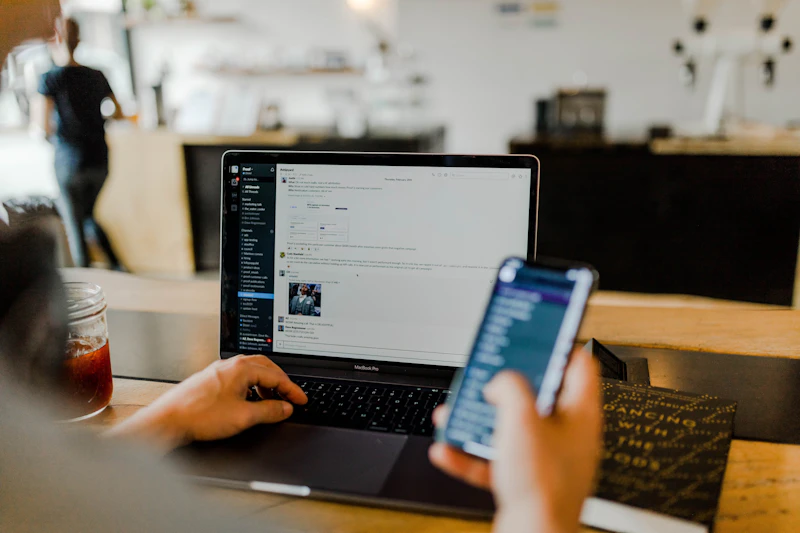
Checking your phone in bed. The combination of blue light, stimulating content, and endless scrolling is a triple threat to sleep onset. Phones are designed to be addictive, not sleep-friendly. Leave it in another room or at least across the bedroom.
Watching intense content before sleep. True crime documentaries, action movies, and work emails all activate the sympathetic nervous system. That is the opposite of what you want before sleep. Save the murder mysteries for afternoon viewing.
Using alcohol as a sleep aid. Alcohol metabolizes into sugar and acetaldehyde, both of which disrupt sleep architecture. You might fall asleep faster, but you will wake up more frequently during the second half of the night and get significantly less REM sleep. The sleep you get on alcohol is not restorative.
Arguing or having difficult conversations late at night. Emotional intensity raises cortisol and adrenaline. These hormones can stay elevated for hours, making deep sleep impossible. Hard conversations belong in the daylight, not at 10 p.m.
Working or studying in bed. This trains your brain to associate your sleeping surface with alertness and problem-solving. The result is a brain that wakes up the moment your head hits the pillow. Keep work out of the bedroom entirely if possible.
A Simple Sleep Hygiene Checklist
Checklists are underrated. They remove the cognitive load of remembering what to do. Print this out, keep it on your nightstand, and run through it each evening. Within a few weeks, these sleep hygiene tips for better sleep will become automatic.
Evening Checklist (2-3 Hours Before Bed)
- Finish eating at least two hours before bedtime
- Stop caffeine consumption after 2 p.m. (earlier if you are sensitive)
- Avoid alcohol or limit to one drink with dinner
- Dim household lights and switch to warmer color temperatures
- Put phones and laptops away or enable night mode
One Hour Before Bed
- Start a wind-down ritual: reading, stretching, breathing, or journaling
- Set bedroom temperature between 65-68°F (18-20°C)
- Close blackout curtains or put on an eye mask
- Set a consistent bedtime and stick to it
- Write down any lingering worries or tomorrow’s to-do list
During the Night
- If you wake up, stay in bed unless you feel truly alert
- Avoid checking the time — it only increases anxiety
- If you cannot fall back asleep after 20 minutes, get up and do something boring in low light until sleepy
Morning Checklist
- Wake up at the same time every day (no exceptions)
- Get outside for 10-15 minutes of natural light within 30 minutes of waking
- Make your bed — a small win to start the day
- Avoid hitting snooze (fragmented sleep at the end of the night is low quality)
Final Thoughts
Sleep is not a productivity metric. It is not another box to check on the endless self-optimization checklist that modern wellness culture has convinced us we need. Sleep is older than language, older than culture, older than every anxiety you carried into bed last night.
The irony of sleep hygiene is that the most effective interventions are also the least marketable. Waking up at the same time every day cannot be packaged in a sleek glass bottle. Morning sunlight cannot be subscription-priced. A dark, cool bedroom cannot be branded by a venture-backed startup with a minimalist logo and a podcast advertising budget.
And yet these simple, stubbornly unsexy habits work better than almost anything else on offer.
If you take nothing else from this article, take this: your body wants rhythm more than it wants optimization. Consistency beats intensity. Predictability beats novelty. The nervous system you inherited from millions of years of evolution does not care about your sleep tracker score. It cares whether the lights go dim at roughly the same time each evening. It cares whether morning feels like morning. It cares whether your bedroom signals safety or stress.
Sleep hygiene is not about perfection. It is about creating conditions that allow a natural process to unfold. The same process that unfolded for your ancestors long before alarm clocks, blue light, and the relentless hum of modern anxiety existed.
Start small. Pick one habit. Lock your wake-up time. Get outside in the morning. Dim the lights after dinner. Give it two weeks. Let your nervous system learn that the world is predictable again.
Because the most radical thing you can do for your sleep might be the simplest: trust that your body knows how to rest. It just needs you to stop getting in the way.
Frequently Asked Questions About Sleep Hygiene Tips for Better Sleep
Sleep hygiene tips for better sleep refer to the daily habits and environmental factors (schedule consistency, light management, temperature, noise control) that facilitate high-quality, restorative sleep. Major health bodies like the CDC and NIH emphasize these healthy sleep habits for adults as a first-line approach before medication.
According to the National Institutes of Health, most adults require 7 to 9 hours of quality sleep per night. However, how to improve sleep quality naturally also improves the depth of sleep, meaning even those who currently sleep 6 to 7 hours can see major restoration gains by improving their bedtime environment and routines.
Yes. Research from Harvard Medical School shows that blue light exposure (from phones, laptops, LED bulbs) in the evening reduces melatonin production by about 50%. Protecting sleep hygiene tips for better sleep means using night mode, amber glasses, or eliminating screens 60 to 90 minutes before bed.
Absolutely. The American Psychological Association notes bidirectional links: poor sleep worsens mood disorders, and structured healthy sleep habits for adults reduce anxiety symptoms. Consistent routines stabilize emotional reactivity and lower cortisol, often within 2 to 3 weeks.
Most sleep experts, including the Sleep Foundation, recommend 65°F to 68°F (18 to 20°C). Cooler environments mimic the natural drop in core body temperature that initiates and sustains sleep. This small tweak is a cornerstone of how to improve sleep quality naturally.
Many people notice improved sleep onset and fewer awakenings within 4 to 7 days. However, full adaptation of sleep hygiene tips for better sleep typically yields significant benefits after 2 to 4 weeks of consistent practice, according to University of Pennsylvania behavioral sleep medicine trials.
Short power naps (20 to 30 minutes) are fine and can boost alertness. However, long or late-afternoon naps may fragment nighttime sleep. To preserve healthy sleep habits for adults, keep naps before 3 PM and under 30 minutes.
Moderate exercise enhances deep sleep, but vigorous activity within 1 to 2 hours of bedtime can increase core temperature and adrenaline. For ideal how to improve sleep quality naturally, finish intense workouts at least 90 minutes before sleep. Morning or early afternoon exercise yields the strongest circadian benefits.