★ TL;DR
Effective anxiety coping is not the art of never feeling anxious. It is the practice of lowering unnecessary alarm, tolerating manageable discomfort, and choosing the next useful action before fear appoints itself chief executive.
-
Start with the body when anxiety is surging: slow the breath without forcing it, orient to the present environment, release muscle tension, and reduce immediate stimulation.
-
Sort worries into problems you can act on, uncertainties you must tolerate, and imagined emergencies that do not deserve a midnight committee meeting.
-
Avoidance brings short-term relief but can strengthen anxiety over time. Gradual, supported approach is often more useful than either fleeing everything or forcing yourself into overwhelming situations.
-
Sleep, movement, regular meals, social connection, and careful use of caffeine and alcohol affect the nervous system. They support treatment; they are not moral tests or miracle cures.
-
Persistent or disabling anxiety deserves professional care. Cognitive behavioral therapy, exposure-based approaches for appropriate conditions, and medication are among established options that a clinician can tailor to the person.
Anxiety is an alarm system, not an oracle. It can warn you, misread the room, or pull the fire alarm because somebody made an ambiguous facial expression.

This article provides general education, not diagnosis, psychotherapy, or individualized medical advice. Anxiety can resemble or accompany physical illness, medication effects, substance use, trauma, and other mental health conditions. Contact a qualified healthcare or mental health professional when symptoms persist, intensify, restrict daily life, or feel unsafe. In the United States, call or text 988 for immediate crisis support; call 911 for a medical emergency or imminent danger.
The most useful coping technique is the one matched to the moment: settle the surge, examine the story, take one workable step, and seek help when self-help is not enough.
What can you do when anxiety rises?
- Right now: lengthen the exhale gently, name what is happening, and orient to what you can see, hear, and physically feel.
- Later today: write down the worry, decide whether it is actionable, and take one small concrete step if it is.
- Over time: reduce avoidance gradually, protect basic routines, track patterns lightly, and consider evidence-based professional treatment.
Regulation comes before analysis. A brain in full alarm mode is a poor venue for philosophical debate. Settle the body enough to think, then examine the worry.
Anxiety is not always evidence. A feeling can be intense and still misjudge probability, danger, or your ability to cope.
Avoidance has interest charges. Escaping feared situations can teach the brain that escape prevented catastrophe, making the next encounter harder.
Coping is not concealment. Skills should widen life and support action, not make an intolerable job, unsafe relationship, or untreated illness easier to endure forever.
Professional help is a technique. Therapy, medical assessment, and medication conversations are not failures of self-reliance. They are things humans invented because white-knuckling has a disappointing evidence base.
Understand the Alarm Before Trying to Silence It
Anxiety is part of the body’s threat-detection system. It can sharpen attention, increase heart rate, tense muscles, accelerate breathing, and prepare action before the conscious mind has finished reading the agenda.
That is useful near actual danger and exhausting when the alarm is triggered by uncertainty, memory, social judgment, health fears, finances, or a calendar invitation titled “quick chat.”
An anxious response is not proof that something terrible is happening. It is evidence that the nervous system has detected possible threat.
Sometimes the system is accurate; sometimes it is working from incomplete information, learned fear, chronic stress, or a smoke detector’s opinion of toast.
The World Health Organization describes anxiety disorders as involving excessive fear and worry, often accompanied by tension, restlessness, concentration problems, physical symptoms, sleep difficulty, and avoidance.
Ordinary anxiety and an anxiety disorder are not identical. Frequency, duration, distress, impairment, context, and clinical assessment matter.
Coping therefore has two jobs. The first is helping you move through a difficult moment without adding panic about the anxiety itself.
The second is changing the patterns that repeatedly shrink your life. Relief matters, but relief alone can become a trap if the only strategy is escape.
Ask one orienting question: Is there a present danger, an actionable problem, or an anxiety response? A present danger calls for safety.
An actionable problem calls for a plan. An anxiety response may call for regulation, perspective, gradual approach, or professional support.

Techniques for the Immediate Anxiety Surge
When anxiety is intense, begin with simple sensory and physical actions. Do not demand instant serenity. The realistic aim is to move from overwhelmed to slightly more capable, which lacks cinematic glamour but has the advantage of being possible.
1. Breathe gently, not heroically
Try a comfortable breath in and a slower, easy breath out. Continue for a few minutes without forcing a huge inhalation, holding the breath competitively, or chasing a perfect count.
The NHS breathing guidance emphasizes gentle, regular breathing that goes only as deep as comfortable.
If focusing on breathing makes you dizzy, air-hungry, or more anxious, stop. Return to ordinary breathing and use an external grounding exercise instead. No coping technique receives tenure merely because it appears on an infographic.
2. Orient to the room
Name five things you see, four things you physically feel, three things you hear, two things you smell, and one thing you taste or appreciate.
The exact arithmetic is less important than shifting attention from an imagined future to the present environment.
Keep your eyes open if that feels safer. Press both feet into the floor, notice the chair supporting you, and name the date and location.
For trauma-related symptoms, use grounding only if it feels stabilizing; a trauma-informed clinician can help adapt techniques that trigger rather than settle you.
3. Name the experience accurately
Try: “This is anxiety. My body is preparing for danger. I do not yet know whether danger is present.” This language neither worships the feeling nor dismisses it. It creates a small distance between the person and the alarm.
Add a time boundary: “For the next ten minutes, I am going to sit, breathe normally, drink water, and avoid making major decisions.”
Anxiety loves an unlimited jurisdiction. Give it a municipal boundary.
4. Reduce unnecessary stimulation
Step away from breaking news, argumentative messages, health searches, and rapid-fire social feeds. Lower harsh light, loosen tight clothing, and move to a quieter place when safe.
This is temporary stabilization, not a declaration that ordinary life is forbidden.
Cold water on the face, a cool cloth, stretching, or a slow walk may help some people reconnect with the body.
Avoid extreme cold exposure, prolonged breath-holding, or “nervous system hacks” marketed as universally safe. The nervous system is not a vending machine with a secret button combination.

Work With Worry and Anxious Thinking
Once the body is less activated, examine the mental story. Anxiety often overestimates danger, underestimates coping ability, demands certainty, and treats possibility as probability. It is an imaginative screenwriter with a strict preference for disaster films.
Separate solvable problems from hypothetical worries
Write the worry in one sentence. Then ask whether there is a specific action you can take within the next day or week.
“I need to confirm the appointment time” is actionable. “What if every future medical test reveals something terrible?” is not a task; it is uncertainty wearing a lab coat.
For an actionable problem, choose the smallest next step: send the email, gather the document, make the call, ask for clarification, or schedule twenty minutes to plan. For hypothetical worry, write it down and postpone further analysis to a brief daily “worry period.”
This does not ban thought; it stops worry from renting every room in the house.
Check the thought without demanding positivity
Use four questions: What am I predicting? What facts support it? What facts complicate it? What would be a more balanced statement? The replacement thought should be credible, not upholstered with motivational glitter.
Instead of “Everything will be fine,” try “This may be uncomfortable, but I have handled difficult conversations before, and I can prepare two points.”
Instead of “I must not feel anxious,” try “I can feel anxious and still complete the first five minutes.” Effective coping does not require lying to yourself in a soothing font.
Practice attention, not thought suppression
Trying not to think a thought often makes the mind check whether it is still thinking it. Notice the thought, label it as “worrying,” “predicting,” or “mind reading,” and return attention to the chosen activity.
Mindfulness is not emptying the mind; it is learning that every mental notification does not require opening.
Set a modest task window and use external structure. Ten minutes of washing dishes, walking, sorting mail, or working on one paragraph can restore agency.
The point is not distraction forever. It is returning choice to a mind temporarily colonized by alarm.
Approach What Anxiety Wants You to Avoid
Avoidance is understandable because it works immediately. Cancel the appointment, avoid the elevator, seek reassurance again, or leave the gathering, and anxiety falls.
The brain may then conclude that escape prevented disaster, which makes avoidance more persuasive next time.
Evidence-based cognitive behavioral therapy often addresses thoughts and behaviors, including gradual exposure to feared situations when clinically appropriate.
The National Institute of Mental Health describes psychotherapy, including cognitive behavioral approaches, as an established treatment option for anxiety disorders.
Build a gradual approach ladder
Choose one avoided situation and list steps from mildly uncomfortable to more difficult.
Someone anxious about phone calls might begin by writing a script, calling an automated line, phoning a familiar person, and eventually making the necessary appointment.
Repeat a manageable step until it becomes more familiar, then move upward.
The aim is not to eliminate anxiety before acting. It is to learn that anxiety can rise and fall while you remain in contact with the situation and discover what actually happens.
Progress may be uneven because nervous systems have never signed a linear-growth agreement.
Do not improvise exposure to trauma memories, severe phobias, obsessive-compulsive symptoms, eating-disorder fears, or medically risky situations without appropriate guidance.
Exposure is a structured learning process, not the internet shouting “face your fears” while leaving you with the invoice.

Support the Body Without Blaming It
Anxiety is influenced by sleep, physical health, medication, hormones, pain, stimulants, alcohol, nutrition, isolation, and chronic stress.
These factors are not character assessments. A person working two jobs while caregiving does not need a lecture about optimizing the morning; they need support, resources, and perhaps a morning with fewer catastrophes scheduled into it.
Move in a way you can repeat
Walking, chair-based movement, strength work, cycling, gardening, or other tolerable activity can reduce accumulated tension and support overall mental health.
Start beneath your maximum, particularly if exercise sensations such as a faster heartbeat resemble panic. A clinician can advise you when symptoms, disability, chronic illness, or inactivity raise safety questions.
Protect sleep without turning it into an exam
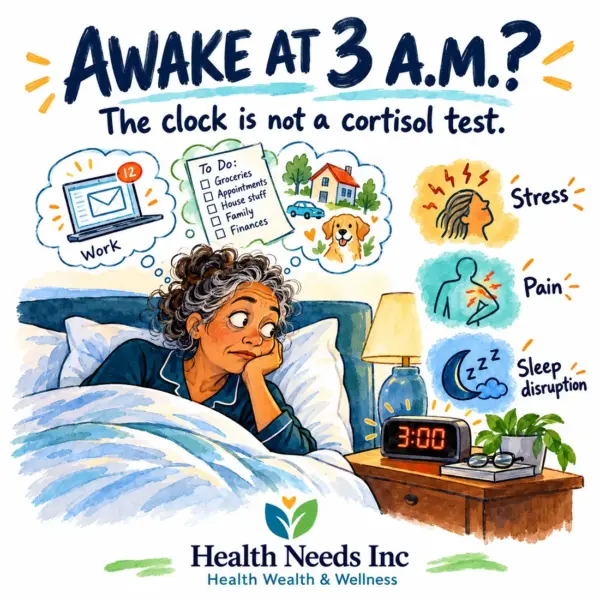
Keep wake time reasonably consistent, reduce late stimulation, and create a workable wind-down period. If you are awake and increasingly agitated, a quiet activity outside the bed may be better than conducting a hostile performance review beneath the blankets.
Explore broader sleep hygiene without making perfect sleep another condition for being allowed to function.
Notice caffeine, nicotine, alcohol, and cannabis
Caffeine and nicotine can intensify jitteriness, racing heart, and sleep disruption in some people. Alcohol or cannabis may feel calming initially yet worsen sleep, create rebound symptoms, interact with medications, or become the only available coping method.
Track timing and effects honestly, then discuss concerns with a qualified professional rather than abruptly changing heavy or dependent use alone.
Use people, not only techniques
Tell a trusted person what would actually help: listening, walking with you, sitting nearby during a call, or checking in after an appointment.
Reassurance repeated without limit can feed the anxiety cycle, but steady companionship and practical support are not weaknesses. Humans regulate in relationship; rugged individualism is mostly excellent branding for selling expensive jackets.
Wellness without the miracle fog.
Get evidence-aware health, wealth, and wellness thinking without panic marketing, compulsory positivity, or a supplement stack requiring its own spreadsheet.
Build a Personal Anxiety Coping Plan
A coping plan is most useful when written before anxiety peaks. Keep it short enough to read while your working memory has temporarily left the building. This tool is for planning and observation, not diagnosis or crisis care.
The Five-Part HNI Anxiety Coping Plan
-
- My early signals: List three signs such as jaw tension, repeated checking, shallow breathing, irritability, nausea, or cancelling plans.
- My two-minute stabilizer: Choose one: gentle longer exhale, feet on the floor, 5-4-3-2-1 grounding, cool cloth, or stepping away from stimulation.
- My reality question: Ask, “Is this present danger, a solvable problem, or uncertainty?” Write one balanced sentence.
- My next useful action: Choose one step that takes under fifteen minutes, or schedule the step for a specific time.
- My support threshold: Name whom you will contact and what symptoms mean self-help is no longer enough.
Rate anxiety from zero to ten before and ten minutes after using the plan. The goal is not always a dramatic reduction.
A change from eight to seven plus one useful action may be meaningful, especially when the alternative was three hours of searching symptoms and accidentally becoming board-certified by browser tab.
Review the plan weekly for a month. Keep techniques that improve function, not merely those that provide the fastest escape.
If tracking becomes compulsive or increases anxiety, stop scoring and bring the pattern to a clinician.
When Anxiety Feels Like Panic
A panic attack can involve an abrupt surge of intense fear with racing heart, chest discomfort, shortness of breath, dizziness, trembling, sweating, nausea, numbness, unreality, or fear of losing control or dying.
These sensations are frightening. They can also overlap with medical emergencies.
If symptoms are new, severe, different from previous episodes, associated with fainting, major breathing difficulty, pressure or pain in the chest, neurological symptoms, injury, pregnancy, or a serious medical condition, seek urgent medical assessment.
Do not diagnose every alarming physical symptom as “just anxiety,” especially from an article on the internet.
When a clinician has identified panic and you recognize the pattern, try to stay where you are if safe, soften the exhale, orient outward, and remind yourself that the surge will change.
Reduce frantic pulse checking and repeated symptom searches. Panic sensations often create a second layer of fear about the sensations themselves; treatment can help interrupt that cycle.
The NIMH notes that cognitive behavioral therapy is commonly used for panic disorder and helps people respond differently to the sensations associated with panic.
Recurrent attacks, persistent fear of another attack, or avoidance built around panic deserve professional assessment.

Coping Strategies That Can Quietly Backfire
Some coping methods reduce discomfort now while expanding anxiety later.
Endless reassurance, compulsive checking, symptom searching, cancelling every uncertain event, overpreparing, substance use, and waiting to feel completely calm before acting can all become safety behaviors.
The clue is rigidity. Does the behavior help you participate in life, or has it become a rule you must obey to feel temporarily safe?
A useful routine offers support. A ritual enforced by fear gradually submits paperwork to become your supervisor.
Forced positivity can also backfire. Telling someone to “choose joy” while their nervous system is conducting a building evacuation adds shame to anxiety.
Balanced language works better: the situation may be hard, uncertainty is real, and one useful action remains available.
Digital “mental health” content deserves similar skepticism. A creator can demonstrate a grounding skill responsibly; they can also declare that jaw tension proves hidden trauma and sell a course before lunch.
Prefer clinicians, public-health sources, and approaches that acknowledge limits, individual differences, and actual treatment.
When Coping Techniques Are Not Enough
Seek professional help when anxiety persists for weeks or months, causes substantial distress, disrupts sleep, work, driving, relationships, eating, or healthcare, or leads to increasing avoidance.
Also seek assessment when symptoms begin suddenly, follow a medication or substance change, accompany depression, trauma, obsessive thoughts, compulsions, or concerning physical symptoms.
A primary-care clinician can assess physical contributors and discuss treatment options. A licensed mental health professional can evaluate the anxiety pattern and recommend psychotherapy.
Depending on the condition and person, care may involve cognitive behavioral therapy, exposure-based methods, acceptance-based approaches, medication, or a combination.
Ask a prospective therapist what anxiety problems they treat, which methods they use, how progress is assessed, and what happens if the approach is not helping. “We vibe” may matter, but it is not a complete treatment plan. Competence should survive a follow-up question.
If anxiety is connected to unsafe housing, abuse, discrimination, debt, caregiving, loneliness, or workplace conditions, individual coping is only part of the answer.
Practical advocacy, social services, legal protection, financial counseling, workplace change, or community support may be equally important. Not every distressed nervous system is malfunctioning; sometimes it has read the circumstances correctly.
In the United States, call or text 988 if you are in emotional distress, thinking about suicide, or need immediate crisis support.
Call 911 or go to an emergency department for imminent danger or a medical emergency. Outside the United States, use your local emergency or crisis service.
Final Thoughts on Coping With Anxiety
Anxiety asks for certainty in a world operating largely on partial information, weather systems, other people, and passwords we apparently changed last Tuesday. Effective coping does not manufacture certainty.
It builds enough steadiness to meet uncertainty without surrendering every decision to fear.
Begin small. Settle the immediate surge, name the story, separate action from speculation, and take one manageable step toward life rather than away from it.
Support the body, use trustworthy people, and treat professional care as part of the toolkit.
The deepest aim is not permanent calm. Permanent calm is available mainly to decorative stones.
The human aim is flexibility: recognizing anxiety, responding with proportion, and continuing to live while the alarm learns that it is an adviser rather than the government.

FAQs About Effective Anxiety Coping
No technique works fastest for everyone. A practical starting sequence is gentle breathing with a comfortable longer exhale, orienting to the room, naming the experience as anxiety, and reducing unnecessary stimulation.
If breathing increases distress, use an external sensory grounding method instead.
Brief anxiety may ease when a stressor passes, skills improve, or circumstances change. Persistent, recurrent, or disabling anxiety should be assessed rather than left to negotiate its own retirement.
Effective professional treatments are available, and earlier help may prevent avoidance from becoming more entrenched.
No. Gentle, regular breathing helps some people, but forced deep breaths can cause dizziness or increase attention to bodily sensations.
Keep the breath comfortable and stop if symptoms worsen. Grounding through sight, sound, touch, or movement is a reasonable alternative.
Temporary, chosen distraction can interrupt rumination and help the nervous system settle. It becomes less useful when it prevents every necessary conversation, decision, feeling, or feared situation.
Use distraction as a pause, then return to the problem or planned gradual approach.
Write the worry down, classify it as actionable or hypothetical, and schedule one next step when action is possible.
For hypothetical worry, postpone analysis to a short worry period and redirect attention to a defined activity. Trying to ban thoughts completely often makes the mind monitor them more closely.
Avoidance can strengthen anxiety when short-term relief teaches the brain that escape prevented danger.
A gradual approach ladder can provide corrective learning, but complex or severe symptoms deserve clinician-guided treatment. The goal is manageable practice, not overwhelming yourself.
Seek help when anxiety persists, intensifies, restricts daily life, causes significant avoidance, disrupts sleep or relationships, or co-occurs with depression, trauma symptoms, substance problems, compulsions, or concerning physical symptoms.
Use urgent or crisis services when there is imminent danger, suicidal thinking, or a possible medical emergency.