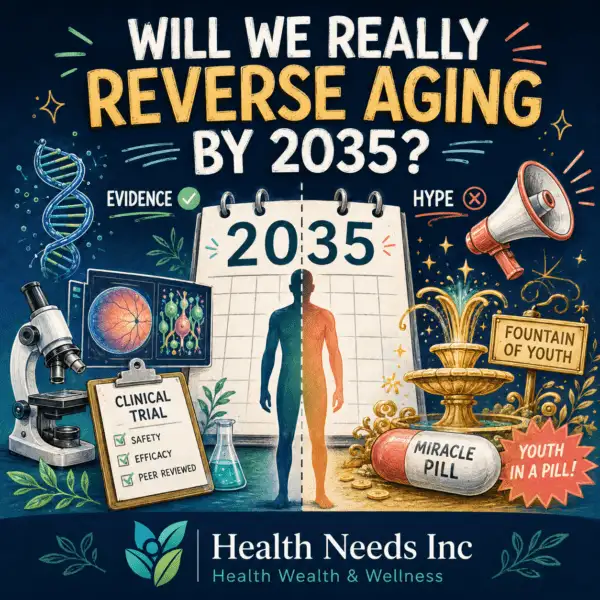
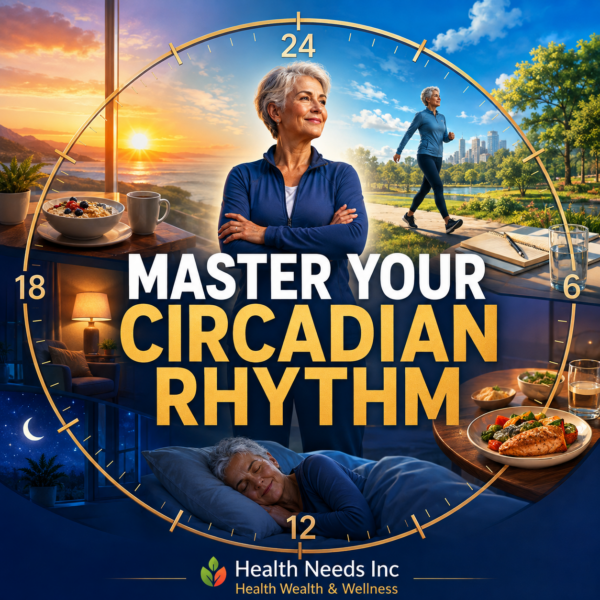
A younger laboratory score is interesting. Better strength, manageable blood pressure, and enough energy to enjoy the afternoon are considerably more useful.
★ TL;DR
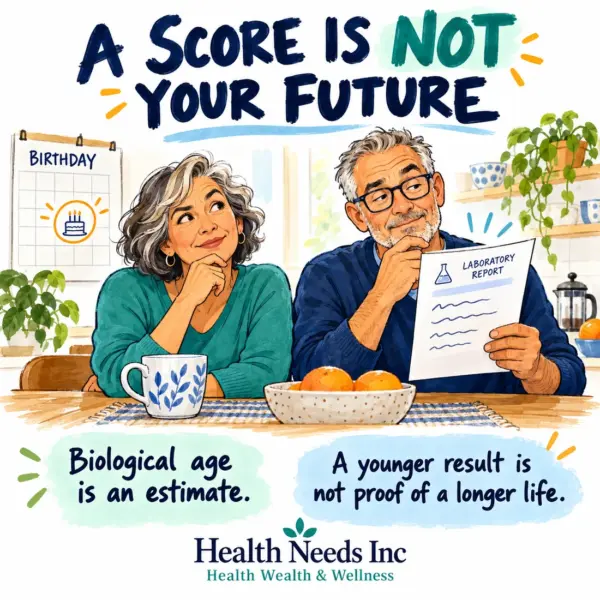
Some interventions can change biological-aging measurements. That does not establish that you have reversed aging or gained years of life. These tests estimate selected aspects of aging; they do not issue a reliable expiration date.
- Exercise, adequate nutrition, sleep care, and appropriate prevention deserve attention whether or not you buy a test.
- A lower score is not proof that a particular routine caused a benefit.
- Commercial testing is optional. Ask what decision it would change before paying.
The longevity industry has found an elegant way to make birthdays negotiable. Send in a sample, receive a biological-age estimate, and discover that your cells have apparently been keeping a separate calendar.
The research is serious. The sales pitch often gets promoted ahead of it.
If you want to lower your biological age, start by separating three things: improving health, changing a test score, and demonstrating that human aging has been reversed. They overlap in the conversation. They are not interchangeable achievements.
There is useful work to do without pretending that every meal is a gene-editing appointment. Continue the blood-pressure care, vaccination, and screening discussions appropriate to you; an age score does not replace that care.
Key Takeaways
There is no single agreed measurement that captures the aging of your entire body.
A promising biomarker change is a research finding, not automatic proof of longer life.
Strength, mobility, symptoms, and appropriate clinical measures remain worthwhile outcomes.
Fasting, heavy lifting, and paid testing are not universal entry requirements for healthy aging.
Educational information, not individualized medical advice. Do not change prescribed treatment or begin restrictive diets or demanding exercise to chase an age score. Unexplained weight loss, new weakness, persistent fatigue, or worsening function deserve clinical assessment.
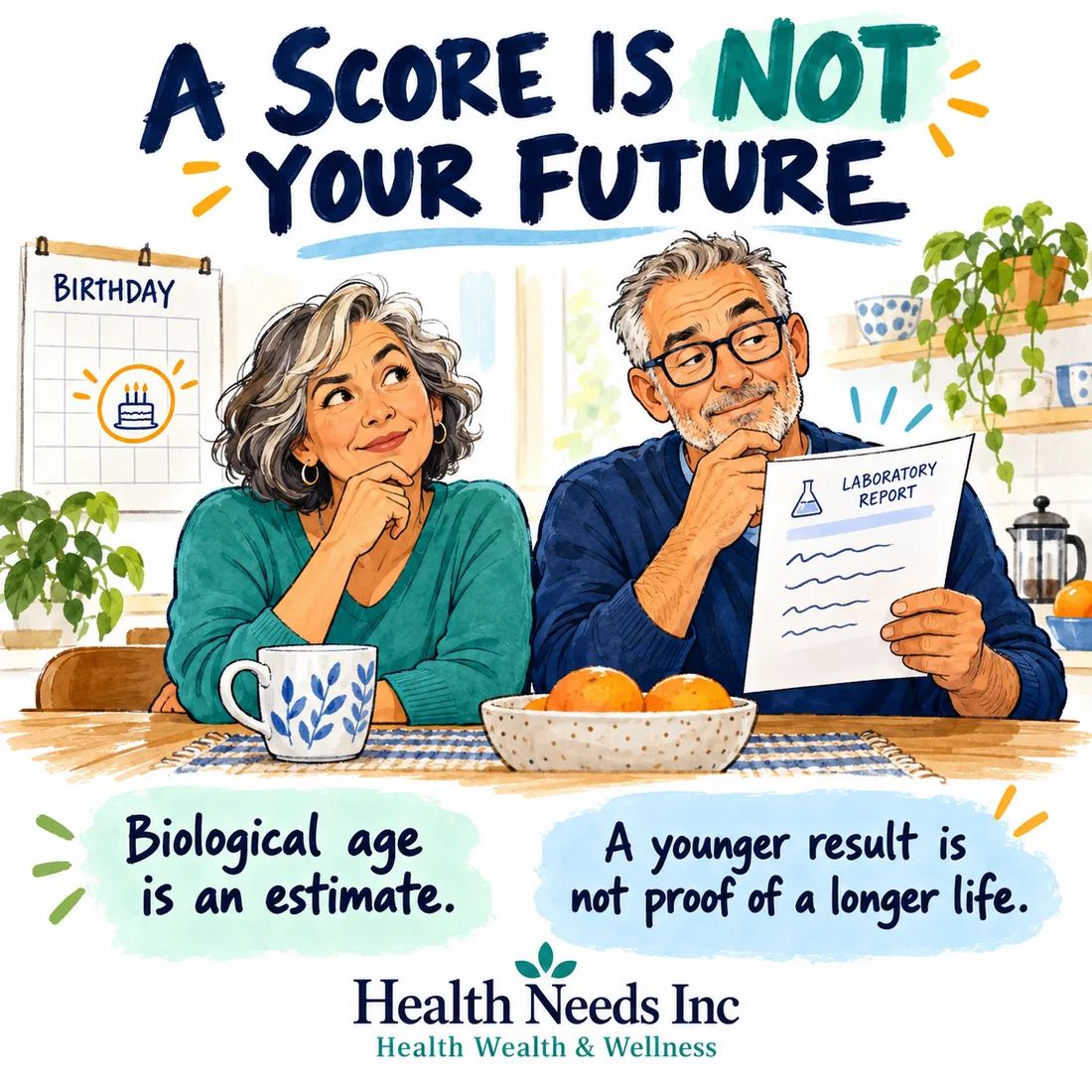
1. Your birthday is certain. Biological age is an estimate.
Chronological age is elapsed time. Biological age is an attempt to describe aging-related differences using selected measurements and a model. The word “biological” does not make the result a direct reading of every cell.
The Max Planck Institute for Biology of Ageing explains that organs and tissues can age differently. Different tests therefore capture different aspects of the process, and individual results need context.
Epigenetic clocks examine chemical marks on DNA called methylation. Other approaches use proteins or ordinary clinical measurements. A report can look impressively exact while still answering a narrower question than “How healthy am I?”
Some clocks estimate an age-like number. DunedinPACE was developed as a measure of the pace of aging. Treating a pace measure and an age estimate as the same thing is like asking whether a speedometer agrees with an odometer.
For the wider research frontier, see what scientists mean by reversing aging. This article has a narrower job: deciding what the numbers justify in your actual life.
2. What does a changed clock actually prove?
A useful example comes from the CALERIE trial's post hoc biological-aging analysis. The two-year trial randomized 220 healthy adults without obesity; methylation data were available for 197. Participants were young and middle-aged, not a representative group of older adults.
Calorie restriction produced roughly a 2–3% slowing on DunedinPACE. Two other measures, PhenoAge and GrimAge, did not show significant treatment differences.
That is a modest, interesting signal. The study did not demonstrate that participants became several years younger or lived longer, and it does not establish a calorie-cutting prescription for someone aged 65.
A biomarker is a measurable biological feature. A surrogate endpoint is used in place of the outcome we ultimately care about; the essential question is whether changing it reliably predicts that outcome. A younger-looking score alone does not settle that question.
Before crediting a routine, ask about the comparison group, the number of participants, the duration, and whether the researchers measured health outcomes or only a laboratory estimate. “I changed six things and my score fell” cannot tell you which change helped, whether the change caused it, or how much variation played a role.
3. Exercise for capacity, not a proprietary age-reversal zone
Aerobic exercise and strength work belong in a healthy-aging plan. Calling one intensity “Zone 2” does not give it exclusive access to your mitochondria.
CDC guidance for adults 65 and older includes at least 150 minutes of moderate aerobic activity weekly, muscle-strengthening activities on at least two days, and balance activities. Those are general health recommendations, not a dose guaranteed to subtract years from a clock.
You can start below the target and build from your abilities. A walk that becomes easier, or a routine you can repeat without days of depletion, gives you something useful to work with.
Harder training can also produce beneficial adaptations. It is not necessary to choose a winner in a molecular cage match before taking a walk; the intensity should fit your health, experience, preferences, and recovery.
HNI's guide to building a routine you can actually repeat keeps that practical question in view.
4. Keep strength on the agenda
Carrying shopping, using stairs, and getting through an ordinary day are reasonable ambitions. They do not need to be rebranded as membership in a longevity elite.
Resistance training can use machines, bands, bodyweight, or free weights. Appropriate progression matters more than copying somebody else's heavy squat, particularly when pain, osteoporosis, balance problems, or a long break from exercise changes the starting point.
Ask a qualified clinician or exercise professional for help when symptoms or health conditions make the choice uncertain. Declining function deserves attention rather than a pep talk about discipline.
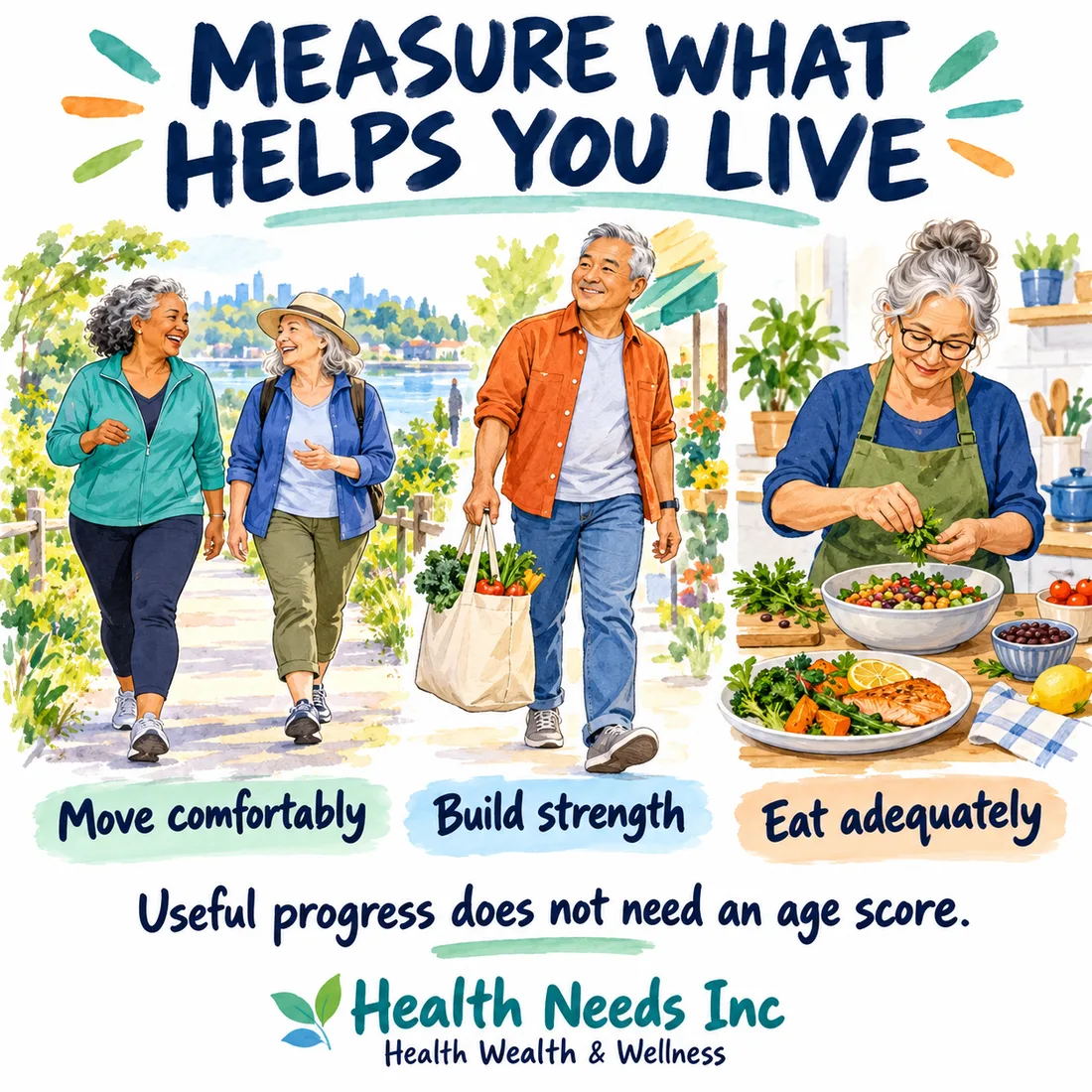
5. Eat adequately. Your lunch does not need a molecular résumé.
A Mediterranean-style eating pattern fits American Heart Association guidance: vegetables, fruit, whole grains, beans, nuts, and suitable protein sources can form a sensible foundation. The pattern matters more than an exotic ingredient auditioning for the role of “anti-aging compound.”
Quercetin, fisetin, and other plant compounds are legitimate research topics. That does not establish that an ordinary serving switches on enough cellular repair to reverse your age. “Activates a pathway” and “helps a person live longer” are different claims.
Calorie restriction and fasting also require more thought than a clock score. If you are already losing weight unintentionally, struggling with appetite, or trying to preserve muscle, eating less may be the wrong assignment.
NIDDK discusses the risks and limits of fasting in diabetes, including medication considerations and concerns about muscle loss in older people. Discuss a substantial eating-pattern change with your care team when diabetes medicines or other medical needs are involved; do not adjust medication yourself.
6. Support sleep without issuing orders to your telomeres
NHLBI recommends about seven to nine hours of sleep for adults. A more consistent routine can be useful, but no bedtime schedule guarantees a younger genome.
If timing is the problem, explore a more consistent sleep and light schedule. If persistent insomnia is the problem, CBT-I is usually recommended as the first treatment for long-term insomnia.
These are different jobs. A carefully arranged bedroom cannot resolve every pain problem, breathing disorder, medication effect, or caregiving interruption.
7. Address stress without turning aging into another personal failure
Breathing, quiet time, practical support, or professional help may make a difficult period more manageable. None needs to be sold as an HPA-axis reset or proof that you have stopped cells from aging.
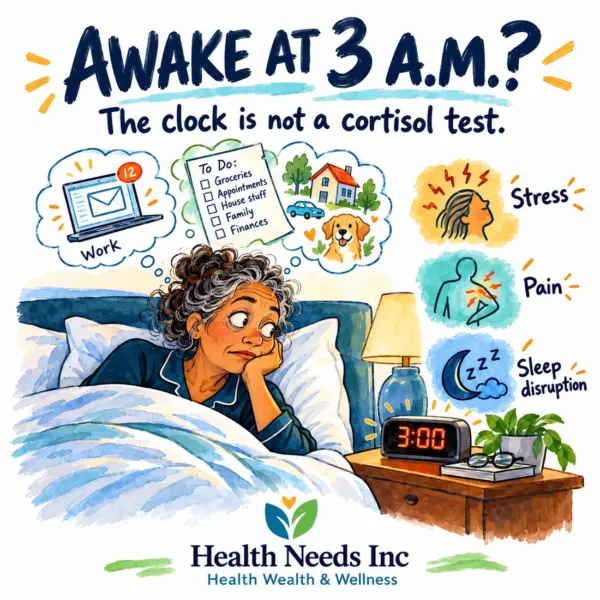
Our guide to managing stress without cortisol supplements separates useful habits from hormone promises. Cortisol is not a diagnosis you can read from a bad night.
There is a special absurdity in telling people that worrying about aging is now aging them. The industry sells the alarm and then sells instructions for remaining unalarmed.
8. Match environmental changes to a real exposure
Clean air and safe water matter. A generic “toxic load” label does not tell you which product to buy or establish that a filter will reverse biological age.
EPA recommends reducing pollutant sources and ventilating with clean outdoor air, with filtration as a supplement. Particle filters and gas-removal systems do different jobs; no device removes every pollutant.
For water, begin with information about your supply and a specific concern. EPA explains how to identify filters certified to reduce PFAS. Maintenance and the certification's actual scope matter more than a reassuring word on the box.
A targeted response to a documented problem is useful. Throwing out your bathroom in pursuit of a younger test result is an expensive interpretation of uncertainty.
9. Before you pay for a biological-age test
Stanford Medicine researchers caution that different tests can give conflicting results. Their September 2026 explainer notes that direct-to-consumer biological-age clocks are not FDA-approved medical diagnostic tools.
Testing may interest you. Curiosity is a valid reason to spend discretionary money, provided curiosity is what you are buying, rather than certainty about your future.
- What is the output? An age estimate, a pace measure, or a risk-related score?
- What decision would change? If the answer is “I would exercise and sleep better,” you can begin without the test.
- What uncertainty is reported? Ask about repeatability, the population studied, and whether changes are clinically meaningful.
- Who interprets it? Notice whether the explanation ends with the same company's supplement, subscription, or retest.
- Who keeps the sample and data? Read retention, sharing, deletion, and research-use policies before consenting.
The business built around longevity deserves the same scrutiny as the biology. A seller's incentive does not disprove a test, but it should sharpen your questions.

10. Tool: choose your next worthwhile health investment
Purpose: choose an action that matters to your life before buying another measurement. Write your answers on paper, or use the optional fields below. This worksheet does not calculate biological age or diagnose a condition.
Use your result: spend effort on the barrier you identified. New breathlessness, pain, weakness, or unexplained fatigue may call for assessment before a training challenge. No field submits or saves information; reloads may clear entries and browsers may restore them. Use paper if you prefer.
| Your question | A useful starting point |
|---|---|
| Why is an ordinary task getting harder? | Symptoms, function, and appropriate clinical assessment. |
| Is my current care plan helping? | Measures and follow-up agreed with your clinician. |
| What does this commercial age score mean? | The model's purpose, limits, variability, and evidence. |
The worksheet is an HNI planning aid, not a validated medical assessment. An age score cannot substitute for investigating a problem.
11. Quiz: a younger number, or better evidence?
Choose an answer before opening each explanation. This checks the argument, not your health or biological age; revisit any distinction you miss.
1. A test reports five years younger after a new routine. What is established?
A. You gained five years of life. B. Its estimate changed. C. Every part of your body rejuvenated.
B. The result alone does not establish lifespan extension, whole-body rejuvenation, or that the routine caused the change.
2. You are inactive and knee pain is limiting you. What is the useful next step?
A. Copy a heavy-lifting protocol. B. Buy another age test first. C. Address the barrier and choose appropriate movement.
C. A practical plan starts with your circumstances and any assessment you need, not a universal intensity prescription.
3. Which claim deserves the most skepticism?
A. This estimate has limitations. B. This protocol guarantees measurable rejuvenation. C. Different clocks can disagree.
B. A guarantee needs convincing evidence for the promised outcome, in people like the intended user. A molecular explanation is not enough.
Interpretation: the answers are B, C, and B. Use the explanations to evaluate a claim; they do not classify how well you are aging.
12. Frequently asked questions
There is no reliable universal timetable for improving an age estimate. Different measures respond differently, and a short-term shift does not establish a lasting health benefit. Review changes on the schedule appropriate to the health issue, rather than a promised rejuvenation deadline.
There is no single winner for every purpose. Ask what outcome the method was designed to estimate, how it was validated, and what individual uncertainty it reports. Accuracy in a research dataset is not the same as usefulness for your next medical decision.
Yes, a model can return an estimate below your calendar age. That is a comparison produced by that method, not proof that every organ is younger or that you will live longer. The same caution applies to an older-looking result.
No. Activity, adequate nutrition, addressing symptoms, and appropriate preventive care do not require one. A consumer test is optional information; it should not delay care or replace measures that already guide treatment.
Do not use a clock result as a reason to begin restrictive eating. Benefits, risks, nutritional adequacy, medicines, and your circumstances matter. Discuss major changes with your care team, especially with diabetes medicines, unintentional weight loss, poor appetite, or an eating-disorder history.
No. A flattering estimate does not rule out disease. New weakness, unexplained weight loss, persistent fatigue, breathlessness, or worsening daily function should be assessed on their own merits, regardless of a commercial age label.
13. Choose a life, not just a younger label
There is nothing foolish about wanting more healthy years. The trouble begins when the measurement becomes more important than the person it is supposed to describe.
Aging already gives us plenty of numbers. The useful ones help us decide what to do next, rather than provide a fresh opportunity to feel behind.
Build capacity, take symptoms seriously, and understand what you are buying. Being able to carry the shopping and enjoy the afternoon remains a respectable ambition, even when your cells decline to issue a press release.