TL;DR
Mindful meditation has a legitimate evidence base, but the claims need adult supervision.
-
Research supports modest improvements in anxiety, depression, pain, stress, sleep, and attention, especially with consistent practice.
-
Meditation does not empty the mind. It trains the ability to notice wandering and return attention without treating every thought like breaking news.
-
Brief daily sessions can help, but meditation is not a cure-all and should not replace appropriate medical or psychological care.
Forty years of rigorous research on mindfulness meditation, distilled without the wellness theater.

This article is for educational and informational purposes only and is not medical, psychological, or financial advice. Consult a qualified professional before making health decisions.
What Is Mindful Meditation?
What is mindful meditation and does it actually work?
Mindful meditation is a practice of deliberately returning attention to the present moment, often by using the breath or body as an anchor. The goal is not to stop thinking. It is to notice thoughts without automatically following every one of them into the shrubbery.
A landmark 2014 JAMA Internal Medicine review of 47 randomized trials found moderate evidence of improvement in anxiety, depression, and pain. The National Center for Complementary and Integrative Health describes the broader evidence as promising but uneven, with results varying by condition, program, and study quality.
Key Takeaways
Mindfulness-based stress reduction (MBSR) has been studied rigorously for over four decades. It is among the most evidence-supported behavioral interventions in medicine.
Regular meditation produces measurable structural changes in the brain, including increased gray matter density in regions associated with attention and emotional regulation.
Cortisol levels decrease with consistent practice. A finding replicated across multiple study populations and not dependent on self-report.
Meditation is not the same as relaxation. The mechanism is attentional training, not passive rest. The distinction matters for understanding why it works.
Mind-wandering is associated with reduced wellbeing regardless of what you’re doing. Mindfulness practice interrupts this cycle without requiring the mind to go blank.
Even brief daily sessions of eight to twelve minutes produce measurable benefit when practiced consistently over several weeks.
The hardest part of meditation is not clearing the mind. It is showing up daily for something that produces no immediate dopamine reward.
Mindful Meditation and the Science That Survived the Hype
Very few things survive contact with the wellness industry with their credibility intact. The detox industry didn’t.
The alkaline water industry certainly didn’t. Most supplement categories are operating somewhere between wishful thinking and active fraud.
Mindful meditation is the exception that makes the rule interesting. It has been packaged, branded, commodified, and diluted into a thousand-dollar app subscription that mostly reminds you to breathe. And yet the underlying science, developed over decades by researchers with no financial interest in selling guided audio tracks, has accumulated into something genuinely compelling.
Jon Kabat-Zinn developed mindfulness-based stress reduction at the University of Massachusetts Medical School in 1979. Not as a wellness product.
As a clinical intervention for chronic pain patients who weren’t responding well to conventional treatment. The evidence that followed has been peer-reviewed, replicated, critiqued, and refined for forty-five years.
It’s not perfect. But it’s real.
The human brain did not evolve for stillness. It evolved for pattern detection, threat assessment, and relentless planning for futures that mostly never arrive. Mindfulness meditation is, among other things, a fairly direct intervention against the brain’s default operating mode.
It doesn’t try to make the mind quieter. It trains attention, which is a different and considerably more achievable thing.
So what does that actually mean in practice? And what does forty-five years of research actually say?
Tool: The Seven-Day Mindful Meditation Reality Check
Use this brief experiment before buying an app, cushion, retreat, subscription, gong, or personality transplant.
- Choose one anchor: breath, body sensation, or sound.
- Set a modest duration: five to ten minutes.
- Practice at the same time: consistency matters more than theatrical ambition.
- Track three observations: how often attention wandered, how quickly you noticed, and how you felt ten minutes later.
- Repeat for seven days: do not judge effectiveness from one restless session.
- Review honestly: look for changes in reactivity, focus, sleep onset, or stress.
Output: one week of notes showing whether the practice feels useful, neutral, irritating, or worth continuing. This is an educational self-observation exercise, not diagnosis or treatment.
For evidence-based guidance, review the NCCIH overview of meditation and mindfulness.
The Unlikely Survivor
The wellness industry has a reliable pattern. A practice or ingredient gets popularized, monetized, oversold, and eventually discredited when the evidence can’t keep pace with the claims. Mindful meditation has been through all of those stages and somehow emerged with its scientific credibility more intact than when it started.
Part of the reason is that the serious research predates the commercialization. When Kabat-Zinn began his work in the late 1970s, there was no meditation app economy. There was a hospital basement and patients in chronic pain.
The structured eight-week MBSR protocol he developed wasn’t designed to be marketable. It was designed to be testable.
That testability is what has kept the science honest. MBSR has a standardized protocol. Researchers can replicate it.
They can compare it to active controls. They can measure outcomes at follow-up rather than just immediately post-intervention. The resulting body of literature, spanning hundreds of randomized controlled trials, is messier and more modest than the wellness industry would prefer, and considerably more credible because of it.

What Mindful Meditation Actually Is
The word “mindfulness” has been so aggressively marketed that it has come to mean almost nothing specific. Stress less. Be present.
Breathe. Live, laugh, meditate. None of that is wrong exactly, but it’s also not what the research is studying when it produces encouraging findings.
What mindful meditation actually involves, in clinical and scientific contexts, is attentional training. You direct attention to an anchor, typically the breath, sometimes body sensation, sometimes sound. The mind wanders.
You notice that it has wandered. You return attention to the anchor. Repeat, indefinitely, without self-punishment for the wandering.
That’s the practice. The wandering is not a failure.
The wandering is the workout. The moment of noticing, the gap between automatic mental drift and deliberate return, is where the training happens.
Over time, that gap gets wider. Thoughts arise and pass through without immediately capturing full cognitive resources.
This is not mysticism. It’s attentional conditioning.
Researchers distinguish between mindfulness meditation, focused attention meditation, and open monitoring practices. Most evidence-backed clinical programs blend these. MBSR remains the most widely studied protocol, typically an eight-week structured course combining formal meditation practice with psychoeducation about stress and the body. (NIH: Mindfulness-Based Stress Reduction)

The Stress and Anxiety Evidence
A landmark 2014 meta-analysis published in JAMA Internal Medicine reviewed 47 randomized controlled trials covering more than 3,500 participants examining mindfulness meditation programs for psychological stress and wellbeing. The conclusions were measured and useful: moderate evidence supporting improvement in anxiety, depression, and pain.
Not a cure. A reliable, replicable intervention with a better evidence base than most things sold in the wellness aisle.
Cortisol research is interesting because it attempts to measure physiology rather than relying only on how participants say they feel. The findings are not uniform, however, and differences in study design, timing, population, and meditation method make sweeping conclusions difficult.
Some studies report changes in stress-related biomarkers, while others find smaller or inconsistent effects. That makes cortisol useful context, not a biological applause meter for every meditation session.
The evidence for anxiety and depression is encouraging, but it needs careful labeling. Mindfulness-based cognitive therapy combines meditation with cognitive-behavioral methods and has been studied particularly as a relapse-prevention option for people with recurrent depression.
That does not make meditation a universal replacement for medication or psychotherapy. It makes structured mindfulness programs one evidence-informed option that may belong inside professional care, depending on the person and the condition.
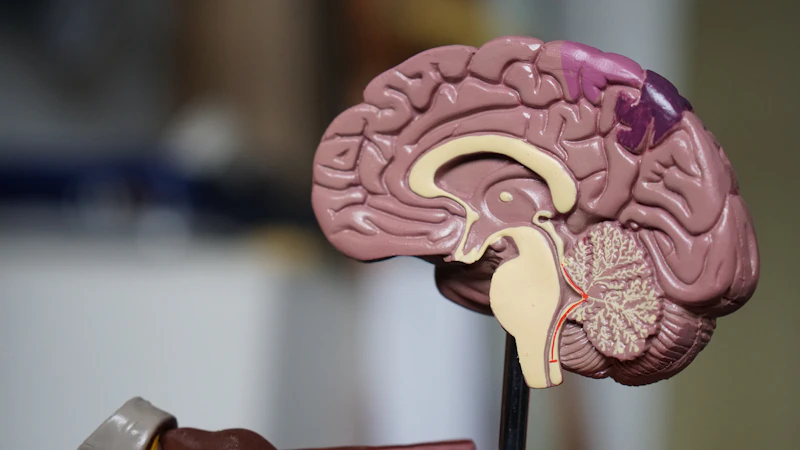
What Mindful Meditation Does to the Brain
Brain imaging research on meditation took off in earnest in the 2000s, largely through collaborations between contemplative traditions and neuroscience labs that probably surprised both parties. The findings have been consistent enough to generate their own academic subfield and a vocabulary: neuroplasticity, default mode network deactivation, amygdala habituation.
Sara Lazar’s research at Harvard was among the earliest and most cited. Using structural MRI, her team found that experienced meditators had increased cortical thickness in regions associated with attention, interoception, and sensory processing compared to non-meditators. The prefrontal cortex, broadly responsible for executive function, decision-making, and emotional regulation, showed particularly notable differences.
Longitudinal studies are more useful than simply comparing experienced meditators with non-meditators because they can observe change over time. A small 2011 study led by Britta Hölzel reported changes in gray-matter concentration after an eight-week MBSR program. (Hölzel et al., 2011)
The result is intriguing, not a license to announce that eight weeks of meditation rebuilds the brain. Neuroimaging studies are often small, methods vary, and a measurable structural difference does not automatically reveal a meaningful everyday benefit.
The amygdala findings are frequently cited because this region helps process threat and emotional salience. Some studies have reported changes in amygdala structure or connectivity after mindfulness training, but the findings should not be translated into the tidy claim that meditation simply switches off catastrophizing.
The more defensible conclusion is modest: attention training may influence brain systems involved in stress and emotion regulation. Researchers are still working out how consistently those changes occur and what they mean outside the scanner.
The default mode network, the system that activates during mind-wandering, self-referential thinking, and rumination, shows reduced activity during meditation in experienced practitioners. Rumination is implicated in depression, anxiety, and chronic stress. Reducing default mode network dominance is one of the more plausible mechanisms by which mindful meditation reduces these outcomes, and connects directly to the broader wellness framework around mental health maintenance.
Sleep, Focus, and the Wandering Mind
A Harvard study famously found that the human mind wanders approximately 47 percent of the time, and that mind-wandering is consistently associated with lower self-reported happiness regardless of the activity the person is nominally engaged in. The mind’s default mode is not contentment.
It is anticipatory dread, retrospective regret, and social comparison. These are features, not bugs, from an evolutionary standpoint. They are uncomfortable to live with.
Mindful meditation’s most practical benefit may simply be this: it makes the wandering visible. Once you have practiced returning attention deliberately, you begin to notice the drift earlier. In conversation, in work, in everyday life.
The gap between stimulus and response becomes, incrementally, wider. This is not enlightenment. It’s just a slightly more functional relationship with your own attention.
The sleep evidence is particularly strong. A 2015 randomized trial published in JAMA Internal Medicine compared mindfulness meditation to sleep hygiene education in adults with moderate sleep disturbance.
The mindfulness group showed significantly greater improvements on validated insomnia scales, depression, fatigue, and daytime impairment. The effects held at six-month follow-up. The mechanism involves reducing the pre-sleep cognitive arousal, the racing, iterating mind, that is the primary driver of sleep-onset insomnia in otherwise healthy adults.
Cognitive performance research is more mixed but directionally positive. Studies using sustained attention tasks, working memory tests, and response inhibition measures generally find improvements in regular meditators compared to controls. The effect sizes are modest.
Meditation will not transform an average attention span into a superpower. But for people whose focus has been chronically fractured by digital overstimulation, even modest improvements in attentional control represent a meaningful quality-of-life upgrade.
How to Actually Start a Mindful Meditation Practice
The meditation industry would prefer you believe that starting is complicated. There are breathing techniques, posture requirements, specific traditions, proper cushions, and an entire ecosystem of guidance products positioned between you and sitting quietly for ten minutes. The research doesn’t support the complexity.
Many structured mindfulness studies use repeated practice over several weeks, but research does not establish one universal minimum dose. Five or ten minutes can be a practical starting point because a small habit is easier to repeat than an heroic plan involving sunrise, incense, and sudden sainthood.
Consistency probably matters more than occasional marathons, but the ideal duration varies. This mirrors a broader lesson from the eight dimensions of wellness: a modest practice you continue usually beats an impressive practice you abandon.
1. Choose a Consistent Time
Morning tends to have the highest adherence rates in behavioral research, likely because there are fewer competing demands and decisions haven’t yet depleted willpower reserves. The specific time matters less than the consistency.
Same time every day is the goal. Pick one and protect it.
2. Sit Comfortably, Not Dramatically
The goal is alert relaxation, not performance posture. A chair with a relatively upright spine works fine. The floor works.
A cushion helps some people and is irrelevant for most. There is no correct posture for noticing your breath. There is only posture that keeps you awake and relatively comfortable.
3. Direct Attention to the Breath
Focus on the physical sensation of breathing: the rise and fall of the chest or belly, the temperature of air at the nostrils, the pause between cycles. You are not controlling the breath. You are observing it.
This is your anchor. Every time the mind leaves, this is where you return.
4. When the Mind Wanders, Simply Return
The mind will wander constantly, including during sessions of people who have practiced for years. The practice is the noticing and the returning, without self-criticism for the wandering. Every return is a repetition.
Every repetition builds the attentional muscle. The wandering is not the obstacle. It is the curriculum.
5. Start Small, Build Slowly
Start with five minutes. Build to ten or twenty over weeks, not days. The most common mistake is starting too ambitiously, experiencing the gap between expectation and experience, and quitting before the benefits become perceptible.
The benefits accumulate invisibly for several weeks before they start being noticeable in daily life. That delay is precisely why most people stop, and precisely why the people who don’t tend to report disproportionate returns.
Wellness without the incense fog.
Evidence, skepticism, and practical ideas for stress, sleep, health, and the eight dimensions of wellness.
No spam. No miracle claims. Unsubscribe any time.
The NCCIH safety review notes that adverse experiences are reported in the research and that the evidence is still incomplete. Anyone experiencing significant distress should stop the practice and speak with a qualified health or mental-health professional.
Useful Mindful Meditation Tools and Sources
Evidence-Based Resources
Final Thoughts
Meditation has absorbed an enormous amount of cultural noise without the underlying science being affected by any of it. The evidence was building before the apps existed.
It will continue building after the apps are replaced by whatever comes next. The practice itself predates all of this by several thousand years, which is at minimum a reasonable track record.
What the research is saying, stripped of everything the wellness industry has layered over it, is something fairly modest. Consistent practice of deliberate attention training changes the brain in measurable ways, reduces stress hormones, improves sleep quality, and produces better outcomes for anxiety and depression than no treatment, and comparable outcomes to some treatments that cost considerably more.
It requires no equipment. It requires no subscription. It requires approximately ten minutes a day and a willingness to tolerate a practice that feels like nothing useful is happening for several weeks before something actually starts happening.
That’s the entire pitch. The industry’s inability to make that sound glamorous is not a reflection of the science. It’s a reflection of the industry’s problem.
Start with five minutes at a repeatable time. Continue long enough to judge the habit rather than one unusually restless morning.
Notice what changes and what does not. The practice has been around long enough that it does not need to impress anyone on day one.
Frequently Asked Questions About Mindful Meditation
Mindful meditation is a practice of deliberately directing and sustaining attention, most commonly to breath or bodily sensation, while observing thoughts and feelings without judgment or automatic engagement. It is not relaxation in the conventional sense. The mind is actively working, not passively resting.
The clinical version most studied by researchers is mindfulness-based stress reduction (MBSR), an eight-week structured program developed by Jon Kabat-Zinn at the University of Massachusetts Medical School in 1979. Most consumer meditation products draw from MBSR principles with varying degrees of fidelity to the original protocol.
Most rigorous studies show measurable psychological and physiological changes after six to eight weeks of consistent daily practice. The MBSR protocol was specifically designed around this timeframe. Structural brain changes, including increased gray matter in attention-related regions, have been detected after eight weeks in previously non-meditating adults.
Subjective experience tends to shift somewhat earlier. Many people report noticing reduced reactivity and improved focus within two to four weeks.
The important variable is daily consistency rather than session length. Ten minutes daily for eight weeks outperforms forty minutes once a week by a meaningful margin in adherence-based research.
No, and this misconception is probably the single largest reason people give up within the first week. The goal of mindful meditation is not a blank mind. It is a different relationship to mental content, observing thoughts as events rather than being automatically captured by them.
The mind will wander during every meditation session, including those of experienced practitioners. The practice is the noticing: the moment of awareness that attention has drifted and the deliberate return to the anchor.
That cycle, repeated hundreds of times per session, is the training mechanism. The wandering is not the failure. The wandering is where the practice lives.
The evidence base is substantial and has been reviewed and replicated across multiple research groups over four decades. A 2014 meta-analysis in JAMA Internal Medicine reviewing 47 randomized controlled trials found moderate evidence for improvement in anxiety, depression, and pain.
The word “moderate” is doing important work there. These are real effects, not cures, and effect sizes vary considerably by outcome and population.
The strongest evidence exists for mindfulness-based interventions on anxiety, depression relapse prevention, stress reduction, and chronic pain management. The sleep evidence is strong.
The cognitive performance evidence is suggestive but more variable. The field has legitimate methodological debates about blinding and control conditions. The overall picture, across a very large body of research, is positive.
It depends what you need it to do. Insight Timer offers the largest library of free content, including MBSR-adjacent programs, sleep meditations, and timed silent sessions, making it the most practical starting point for most people.
Waking Up (Sam Harris) provides more intellectually rigorous content for practitioners interested in the theory alongside the practice. Ten Percent Happier is particularly strong for skeptics and beginners who find spiritual framing off-putting.
The honest answer is that any app you will actually use consistently is the best one. The app itself matters much less than daily habit formation. A kitchen timer and a chair will produce the same results as the most elegantly designed meditation application, provided you show up every day.
Anxiety is among the best-supported applications for mindfulness-based interventions. Mindfulness-based cognitive therapy (MBCT) was found by multiple meta-analyses to reduce anxiety symptoms significantly compared to control conditions, and to reduce relapse rates in recurrent depression at rates comparable to antidepressant maintenance therapy.
The mechanism is reasonably well understood. Mindful meditation reduces default mode network activity (associated with rumination and self-referential worry), reduces amygdala reactivity to stress stimuli, and increases the functional gap between anxious thought and automatic anxious response.
These are not transformative cures for severe anxiety disorders, and clinical treatment should involve a qualified professional. But for everyday anxiety and stress reactivity, the evidence strongly supports meditation as a meaningful intervention. This connects directly to the relationship between cortisol regulation and long-term stress management.